USDA Alert Links Olympia Foods Beef Kofta to Nine-Case E. coli Outbreak
Federal officials say raw ground beef kofta made at an Illinois plant and served at The Kebab Shop in three states matched the outbreak strain behind nine California illnesses.
By Dustin Reed Terry, Founder & Editor · Published
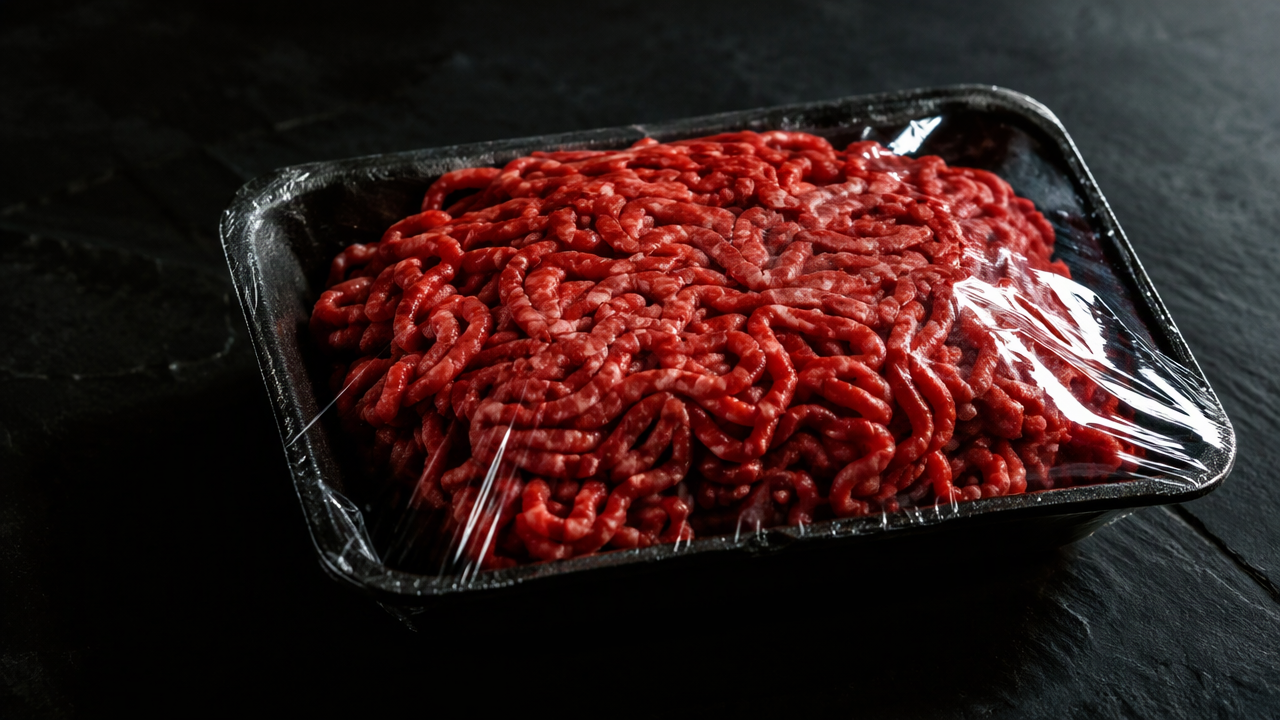
Federal food-safety officials are warning consumers in three states about raw ground beef kofta produced by Olympia Food Industries, Inc. and served at The Kebab Shop restaurant locations, after the product was tied to an E. coli O157:H7 outbreak that has sickened nine people in California. The USDA Food Safety and Inspection Service issued public health alert PHA-05242026-01 on May 24, 2026, covering kofta manufactured at the company's Franklin Park, Illinois, establishment, Est. 18743, on January 6, 2026, and supplied to The Kebab Shop locations in California, Texas and Florida.
No recall was requested, according to FSIS, because the products are no longer available for purchase. The Kebab Shop stopped selling beef kofta at all of its restaurant locations on May 18, 2026, six days before the alert was published. Reported illness onset dates range from March 27, 2026, to April 30, 2026, and the investigation is being led by the California Department of Public Health with FSIS and local California health departments, because the identified illnesses are limited to that state.
What the alert covers and how to identify it
The alert concerns a single production run: raw ground beef kofta made by Olympia Food Industries, Inc. dba Olympia Foods at Est. 18743 in Franklin Park, Illinois, on January 6, 2026. The product moved from that plant into The Kebab Shop restaurant supply chain in California, Texas and Florida. It was sold as a restaurant menu item rather than in retail packaging, and the agency's notice does not list retail package codes or a consumer-facing date label for shoppers to check at home.
For consumers, the practical identifiers are the business and the product. The Kebab Shop has confirmed it stopped selling beef kofta at all locations on May 18, 2026. Anyone who bought or froze leftovers of that item before then should treat them as covered by the alert. The establishment number, Est. 18743, is the identifier that would appear in the USDA mark of inspection on federally inspected product from that plant; it identifies where the beef was made, not which restaurant counter it passed through.
Why it matters: the hazard explained
E. coli O157:H7 is a Shiga toxin-producing bacterium that FSIS describes as potentially deadly. It can cause dehydration, bloody diarrhea and abdominal cramps two to eight days after exposure, three to four days on average. Most people recover within a week, according to the agency, but some develop hemolytic uremic syndrome, a type of kidney failure. HUS can occur at any age but is most common in children under 5 and older adults, and it is marked by easy bruising, pallor and decreased urine output.
Ground beef carries a specific kind of risk that whole cuts do not. When beef is ground, contamination that was sitting on the outside of the meat is blended throughout the batch, so a patty or kofta can hold pathogens deep in its center. That is why FSIS advises consumers to cook all ground beef products to an internal temperature of 160 degrees Fahrenheit, verified with a food thermometer, rather than judging doneness by color. The agency's safe temperature chart is published at fsis.usda.gov/safetempchart.
How the problem was found, and what it says about the system
The alert did not begin with a company testing program. It emerged from an ongoing illness outbreak investigation. FSIS, the California Department of Public Health and local California health departments were working a localized outbreak of E. coli O157:H7 that included nine sick people. FSIS then collected raw ground beef kofta samples, and those samples tested positive for E. coli O157:H7.
At the time the alert was published, the agency was careful about what it could claim: further testing was ongoing to determine whether the product samples were related to the specific outbreak strain. That question was answered. An editor's note appended to the notice on June 1, 2026, states that whole genome sequencing results showed the kofta samples collected by FSIS and produced at Olympia Food Industries, Est. 18743, matched the outbreak strain. Whole genome sequencing compares the complete genetic code of bacteria recovered from patients and from food, and a match is the strongest laboratory evidence linking a product to an outbreak.
The sequence of events is worth noting. People began getting sick in late March. The restaurant chain stopped selling the item on May 18. The alert went out May 24. The genetic confirmation arrived June 1. That timeline reflects how outbreak investigations actually run, with alerts sometimes issued on the strength of a positive product sample before the strain comparison is finished, and it also reflects the lag between a patient's first symptoms and a public warning. Distribution across three states while all nine reported illnesses were in one state is another feature of modern ground beef: the product travels farther than the patients do. FSIS said it issued the alert to ensure consumers in California, Texas and Florida were aware of the outbreak.
Why there is no recall, and what a public health alert means
Consumers often read the word alert as a softer version of the word recall. They are different tools. FSIS issues a public health alert when the agency believes there is a reason for concern about a meat, poultry or egg product but the product is no longer available for purchase, so a recall would not remove anything from store shelves. Recalls, by contrast, are assigned Class I, II or III designations based on the likelihood of serious illness. The absence of a recall number and a class designation here does not downgrade the hazard described in the notice; it reflects the fact that the kofta was off the menu before the alert was published.
That distinction matters for consumers holding leftovers. A product can be out of commerce and still be in a home freezer.
What consumers should do now
FSIS advises consumers to discard any leftover beef kofta from The Kebab Shop. Anyone who ate beef kofta from any location of the restaurant and develops symptoms of STEC infection within 10 days of exposure should contact a health care provider. Symptoms to watch for include bloody diarrhea, severe abdominal cramps and signs of dehydration. Parents and caregivers of young children and anyone caring for older adults should be alert to the HUS warning signs the agency lists: easy bruising, pallor and decreased urine output.
Questions about the alert can go to The Kebab Shop at 888-965-5821 or [email protected]. General food-safety questions can go to the USDA Meat and Poultry Hotline at 888-674-6854 or [email protected]. Consumers who need to report a problem with a meat, poultry or egg product can use FSIS's Electronic Consumer Complaint Monitoring System, open 24 hours a day at foodcomplaint.fsis.usda.gov/eCCF.
- Check the freezer. Discard any leftover beef kofta from The Kebab Shop, per FSIS.
- Watch the calendar. If you ate the product and develop symptoms within 10 days, contact a health care provider.
- Know the severe signs. Easy bruising, pallor and decreased urine output can signal hemolytic uremic syndrome, most common in children under 5 and older adults.
- Cook ground beef to 160 F. Verify with a food thermometer, not by color.
- Report problems. Use the FSIS Electronic Consumer Complaint Monitoring System, available around the clock.
- Call for questions. USDA Meat and Poultry Hotline, 888-674-6854, or The Kebab Shop at 888-965-5821.
The watchdog takeaway
This alert is a case study in how a ground beef hazard reaches the public through a supply chain rather than a grocery shelf. A single January 6 production day at one Illinois establishment fed restaurant locations in three states, and the resulting outbreak was detected only after nine people in one state got sick and investigators worked backward from patients to a product sample. The system found it. It took roughly two months from the last reported onset date to the public warning, and eight more days for the genetic confirmation that the sample matched the outbreak strain.
The lesson for consumers is not that restaurant food is uniquely dangerous but that the margin of safety in ground beef depends on the final cooking step, and diners at a restaurant counter cannot verify that step themselves. The margin also depends on the supplier's raw product being clean. FSIS has confirmed that the kofta samples matched the outbreak strain, which places the hazard upstream of the grill as well as at it. Buyers of ground beef, whether households or restaurant chains, are relying on both ends of that chain.
For the complete product and distribution information in this alert, see our full recall details and product list and the official USDA FSIS notice.