Star Meat Delivery Recall: 167,639 Pounds of Beef, Pork and Goat Without Inspection
A Class I USDA recall covers raw beef, pork and goat sold under the A&D Foods label, packed in boxes bearing a false EST. 1363 mark and shipped nationwide.
By Dustin Reed Terry, Founder & Editor · Published
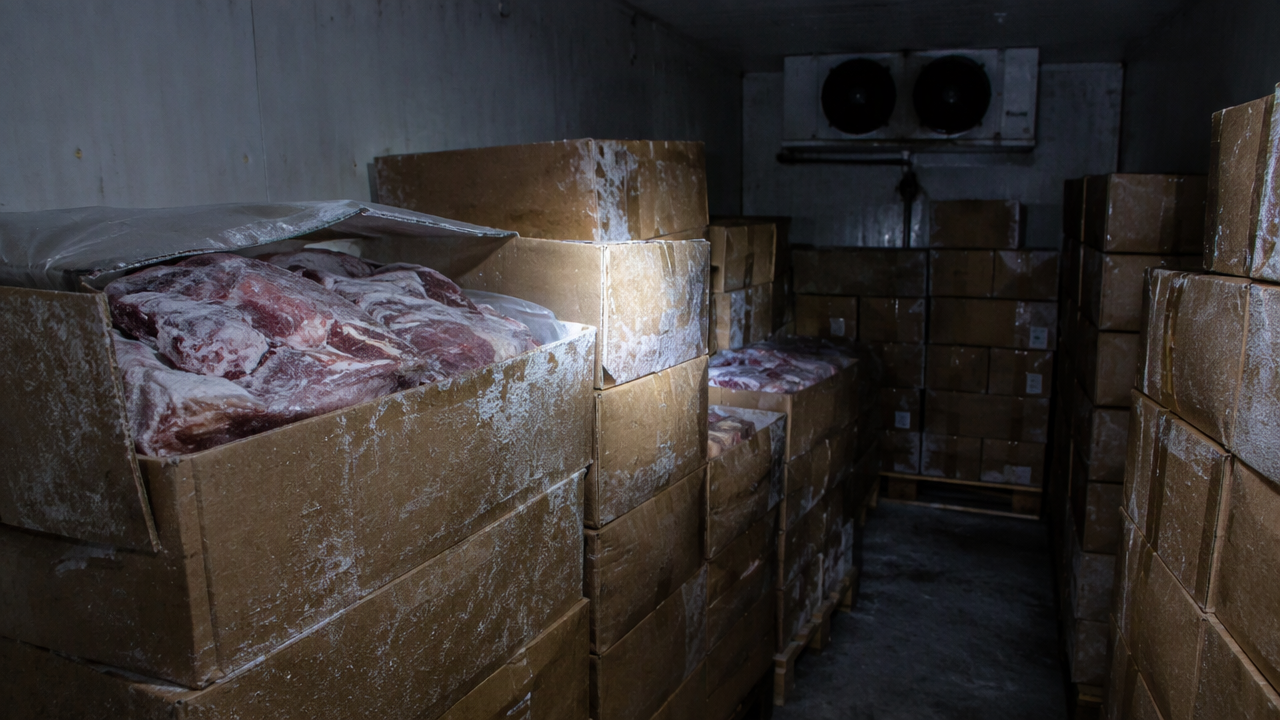
Star Meat Delivery Inc., a Lucama, N.C., firm, is recalling approximately 167,639 pounds of raw pork, beef and goat products that were produced without the benefit of federal inspection and carry labels bearing a false USDA mark of inspection, according to a Class I notice published Sept. 22, 2026, by the USDA Food Safety and Inspection Service. The bulk product, packed under the A&D Foods label, went first to a distributor in Georgia and then to retail and restaurant locations nationwide, according to FSIS. The agency said there have been no confirmed reports of illness or injury tied to the products. The recall is number 022-2026 and remains active.
What was recalled and how to identify it
The recall covers various-weight cardboard boxes holding individually vacuum-packed A&D Foods items. The FSIS list includes goat cut 1-1/2" and goat burn skin on cut 1-1/2", sliced ribeye 4 oz, beef chuck thin sliced KBQ 4 mm, beef oxtail cut, beef short ribs sliced 3/8" regular, shanks bone in cut 1.5, ground pork, pork chorizo, pork chop bone-in, pork feet cut in 8-piece and 6-piece packs, pork rib pieces premium 1", pork Boston diced, sliced and thin-sliced Boston butt, menudo mix, pork hock sliced, beef ribs four-bone 2" center cut, beef short rib thin sliced, beef short ribs sliced 3/8" premium center cut and beef feet cut. Boxes range from 10 pounds to 20 pounds, with the menudo mix packed at 30 pounds.
These were bulk shipments rather than single retail packages. FSIS said individual consumer packages may not bear the recall labeling because retail stores may have applied their own stickers with pricing and safe-handling instructions. That detail matters for anyone trying to identify product in a home freezer or a restaurant walk-in.
The clearest identifier in the official record is the establishment number. FSIS said the products bear false marks of inspection with establishment number EST. 1363, which does not have a federal grant of inspection. Any product bearing that false establishment number should be considered misbranded and unsafe to eat, according to the agency. The products were produced on various dates prior to Sept. 22, 2026.
Why the hazard matters: inspection is the control
This is not a recall built around a single confirmed pathogen finding. It is a recall built around a missing legal and safety foundation: federal inspection. FSIS said food produced without inspection may contain undeclared allergens, harmful bacteria or other contaminants that put consumer health and safety at risk. The agency classified the recall as Class I, its highest severity category, meaning there is a reasonable probability that use of the product will cause serious, adverse health consequences or death.
The false mark compounds the problem. The USDA mark and establishment number are not decorative. They tell buyers that product came from an establishment with a federal grant of inspection and that the plant was operating under federal oversight. A false EST. 1363 mark short-circuits that assurance and makes the product harder to trace. In a bulk supply chain, a false mark can travel from a cardboard box to a retail counter to a restaurant kitchen without a consumer ever seeing the original label.
Raw meat carries inherent risks even when it is inspected. General food-safety guidance still applies in any kitchen: ground beef to 160 F, poultry to 165 F, and raw meat kept separate from ready-to-eat foods. But cooking advice is not a substitute for a recall. FSIS is telling consumers not to consume these products and telling retailers and restaurants not to sell or serve them. The record describes the product as raw and spans pork, beef and goat, so the usual cross-contamination cautions apply doubly in a kitchen that has already handled it.
How the problem was found and what it says about the system
FSIS said the problem was discovered during its surveillance activities. That is an important detail. The recall did not begin with a cluster of illnesses, according to the record; it began with agency oversight. No confirmed reports of illness or injury appear in the notice, and anyone concerned about an illness or injury is advised by the agency to contact a healthcare provider.
Surveillance-led findings are a reminder that the inspection system's first job is prevention. When a firm produces without a grant of inspection, no federal inspector is assigned to review the process, the sanitation or the labels. A false establishment number makes that absence invisible to the buyer. The recall itself is a correction, not a cure; by the time it is announced, the product has already moved nationwide.
FSIS said it routinely conducts recall effectiveness checks to verify that recalling firms notify customers and that steps are taken to make sure product is no longer available to consumers. Those checks matter here because the product moved in bulk through a Georgia distributor to retail and restaurant locations. Bulk distribution multiplies the number of hands a box passes through before it reaches a plate.
Where this fits in this year's hazard trend
In the hazard trend MeatRecalls.com tracks in federal records this year, without-inspection recalls occupy a distinct lane. They are not defined by a positive test for a pathogen such as Salmonella or Listeria, and they are not defined by an undeclared allergen. They are defined by a gap in the system that is supposed to catch both. That makes them harder to explain at a meat counter, because the danger is not a single named hazard but the absence of the controls that would have found one.
Scale is also a factor. At 167,639 pounds, this is a large-volume recall of raw product, and the record shows it reached retail and restaurant locations nationwide. Consumers should treat the official list as provisional: FSIS said it may update the product list and labels with additional items as more information becomes available.
What consumers should do now
FSIS urges consumers who have purchased these products not to consume them, and urges retailers and restaurants not to sell or serve them. The products should be thrown away or returned to the place of purchase. Because retail stores may have applied their own stickers, shoppers should not rely on a store label alone. Ask the counter whether the item came from an A&D Foods bulk box, and check the packaging for the establishment number.
- Check the cardboard box, the vacuum pack and any store sticker for the establishment number EST. 1363.
- Look for the A&D Foods label name on bulk boxes used to repack product for retail or restaurant use.
- Do not eat, sell or serve the product. Throw it away or return it to the place of purchase.
- If you already handled the product, wash hands, counters, cutting boards and utensils with hot, soapy water.
- Keep raw product and its juices away from ready-to-eat foods in the refrigerator and on the counter.
- Contact a healthcare provider if you are concerned about an illness or injury.
- For general food-safety questions, the USDA Meat and Poultry Hotline is 1-888-674-6854.
A broader watchdog takeaway
The most troubling word in the notice is false. A mark of inspection exists so that a buyer, a cook and a parent can tell at a glance that product came from an inspected plant. When a false number is printed on a box that then travels nationwide, the mark stops being a signal and becomes camouflage. The immediate remedy in this recall is disposal, but the longer remedy is verification: inspectors finding the gap, distributors checking the labels they receive, retailers asking where bulk boxes came from, and consumers learning where to find the establishment number in the mark of inspection.
MeatRecalls.com is tracking recall 022-2026 as an active Class I action. Readers can review the full recall details and product list, read the official USDA FSIS notice and consult our guide to handling recalled meat.