Sobico USA Recalls 13,464 Pounds of Vietnamese Catfish That Skipped U.S. Import Reinspection
Sobico USA is recalling 13,464 pounds of frozen Shera broadhead catfish from Vietnam that reached five states without FSIS import reinspection — and the importer, not a border inspector, caught it.
By Dustin Reed Terry, Founder & Editor · Published
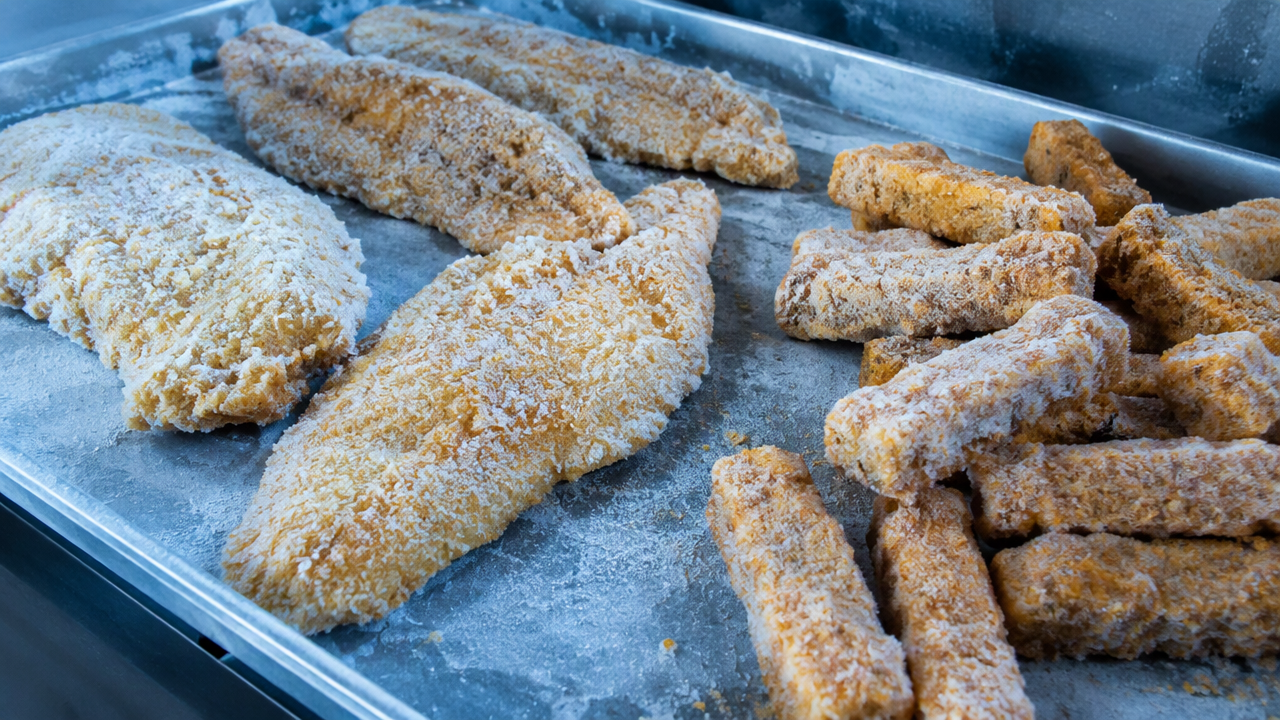
Sobico USA LLC, a West Hartford, Conn., importer, is recalling approximately 13,464 pounds of frozen, raw intact Siluriformes fish that was produced in Vietnam and entered the United States without the benefit of import reinspection, according to a Class I recall notice published Feb. 19, 2026, by the U.S. Department of Agriculture's Food Safety and Inspection Service.
The fish, marketed under the Shera brand as whole/gutted broadhead clarias fish and as steaks, was produced in Vietnam on June 24, 2025, and shipped to wholesalers and retail locations in Indiana, Michigan, Nebraska, New York and Ohio. FSIS said there have been no confirmed reports of illness or injury tied to the products. The agency nonetheless classified the recall as Class I, its most serious category, and lists the action as closed.
What was recalled, and how to identify it
The recall covers two items, both packed in 36-pound cardboard cases:
- “Shera BROADHEAD CLARIAS FISH WHOLE/GUTTED” — individually vacuum-packed, frozen fish weighing 10 to 18 ounces (300 to 500 grams) each.
- “Shera BROADHEAD CLARIAS FISH STEAKS” — individually vacuum-packed, frozen packages weighing 1.8 pounds each.
According to FSIS, every unit subject to the recall bears the Vietnam establishment number DL 811, the shipping mark VN/811/IV/107 and a best-before date of June 23, 2027. Those identifiers matter because they are the only reliable way to separate this lot from other frozen catfish in a retail freezer case or a home freezer.
There is a practical wrinkle in that. The establishment number and shipping mark are printed on the 36-pound case, while the fish inside is individually vacuum-packed. A consumer who bought a single vacuum-sealed steak or whole fish from a retailer that broke open a case may be holding a package that carries little or none of the identifying information FSIS lists. Shoppers who bought frozen catfish in any of the five states should treat the brand name, the product names and the 1.8-pound steak weight as their first clues, then ask the retailer for the case label.
Why a skipped reinspection is treated as a Class I hazard
Siluriformes fish — the order that includes catfish, basa and tra — became an FSIS-inspected commodity under a 2016 rule that moved the species out of the U.S. Food and Drug Administration's jurisdiction for domestic production and into the USDA inspection system. Since then, foreign countries that export these fish to the United States must be found to have inspection systems equivalent to the American one, and individual shipments must be presented for FSIS import reinspection.
That reinspection step is not a formality. It is the point at which the agency verifies that a specific lot was produced in an eligible establishment, that certificates and shipping marks line up, and that the product matches what the foreign system says it is. FSIS can also take samples at that stage. When a lot bypasses the process, none of that verification happened.
It is important to be precise about what the record does and does not say. FSIS did not announce that this catfish tested positive for anything, and no illnesses have been confirmed. The Class I designation reflects the agency's standard definition — a reasonable probability that use of the product will cause serious, adverse health consequences or death — applied to a lot whose safety was never checked through the normal import channel. The hazard named in the notice is an import violation, not a finding of contamination.
How the problem was found, and the gap it exposes
The most revealing line in the FSIS notice is the one describing detection: the problem “was discovered and reported by the importer after a review of the FSIS import requirements and establishment procedural guidance.”
In other words, the recall began with the company that brought the fish in, not with a border inspection that turned the shipment away. That sequence is worth sitting with. A shipment of roughly 6.7 tons of fish moved from Vietnam into the United States, cleared into commerce and reached wholesalers and retail locations across five states before anyone raised a flag. By the time Sobico's own review surfaced the problem, the product was already dispersed far enough that FSIS warned it may be sitting in consumers' refrigerators and freezers.
The record does not say whether the failure occurred at the foreign establishment, in the export certification process, with a broker or filer, or somewhere in the importer's own paperwork. FSIS has not published a finding on that question. But the episode illustrates a structural reality of a border-inspection system that physically examines and samples only a fraction of incoming food shipments: compliance depends heavily on the accuracy of documents filed by the industry, and errors can travel a long way before they are caught.
It also shows the value of a company auditing its own files. Self-reporting is not a substitute for inspection — the fish was, by the agency's account, distributed without it — but a voluntary disclosure is what stopped this lot from moving further. Regulators routinely describe such disclosures as the fastest route to removing product from the market.
What happens after a notice like this one
FSIS says it conducts recall effectiveness checks to confirm that the recalling firm has notified its customers and that steps have been taken to pull the product from sale. When a retail distribution list becomes available, the agency posts it on its recalls website, which allows shoppers to check whether a specific grocer or wholesaler received the product. The agency lists recall 004-2026 as closed.
Consumers and journalists with questions about this recall can reach Long Nguyen, creative and business representative at Sobico USA LLC, at [email protected] or 770-570-7077, according to the notice.
What consumers should do now
FSIS is explicit: consumers who have purchased these products are urged not to consume them. The fish should be thrown away or returned to the place of purchase. Anyone concerned about an illness or injury should contact a healthcare provider.
Beyond that instruction, a short checklist:
- Check your freezer for 36-pound cases or individual vacuum packs labeled “Shera BROADHEAD CLARIAS FISH” in whole/gutted or steak form.
- Look for establishment number DL 811, shipping mark VN/811/IV/107 and a best-before date of June 23, 2027.
- Note that the fish is raw; do not assume freezing killed anything, and do not taste it to check.
- If you bought loose vacuum-packed steaks from a case, call the store and ask whether it received the recalled lot.
- Return or discard the product — do not donate it — and wash hands, counters and any utensils that touched the packaging.
- If you develop symptoms after handling or eating the fish, contact a health care provider and consider filing a report through FSIS's Electronic Consumer Complaint Monitoring System.
- For general food-safety questions, call the USDA Meat and Poultry Hotline at 1-888-674-6854 (888-MPHotline) or email [email protected].
For context on safe handling of any meat, poultry or fish you keep at home: cook fish to 145 F, use a food thermometer rather than visual cues, keep raw seafood separated from ready-to-eat foods, and thaw frozen product in the refrigerator, never on the counter.
The watchdog takeaway
A recall built on an import violation is a reminder that the food-safety system has two jobs, and they are not the same. One is making sure a product is safe. The other is making sure someone checked. This recall exists because the second job was not done for a specific lot of Vietnamese catfish, and the correction came from inside the company rather than from the border. That is a good outcome for a single shipment and an uncomfortable data point for a system that relies on paperwork to route millions of pounds of imported fish each year.
For shoppers in Indiana, Michigan, Nebraska, New York and Ohio, the practical work is the same as it is for any recall: open the freezer, read the label, and act. You can find the complete product list and label images on our full recall details and product list page, read the official USDA FSIS notice directly, and consult our guide to handling recalled meat for step-by-step cleanup and disposal advice.