Sky Ranch Meat Sesame Labeling Miss Caught Only in Routine USDA Review
A USDA label reviewer spotted sesame oil in Sky Ranch Meat's marinated beef and pork but not on the label, triggering a public health alert across four states.
By Dustin Reed Terry, Founder & Editor · Published
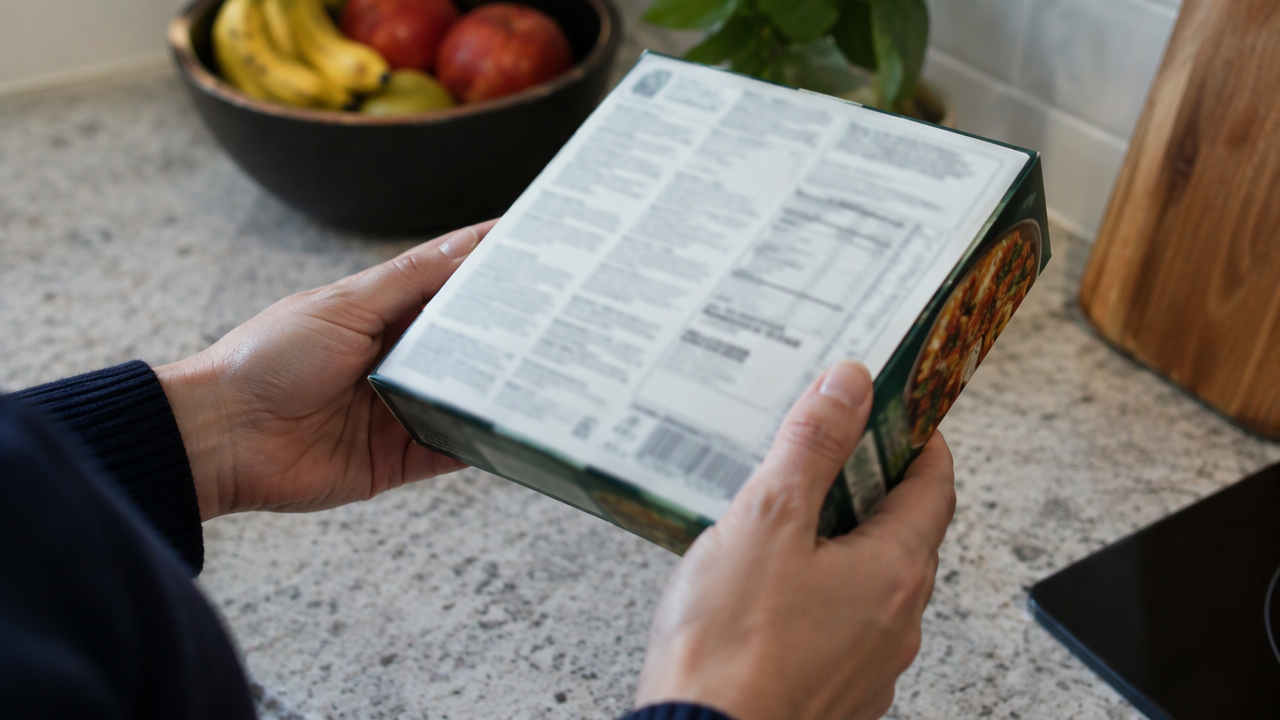
Federal inspectors caught an undeclared allergen in marinated meat products from Sky Ranch Meat LLC not because a customer got sick, but because someone read the label against the recipe. The USDA Food Safety and Inspection Service issued a public health alert on April 9, 2026, for four raw, marinated beef and pork items sold under the Quality Meat Sky Ranch Premium Provisions label, saying the products may contain sesame, a known allergen, which is not declared on the packaging. The items were shipped to Lotte Plaza Market retail locations in Florida, Maryland, New Jersey and Virginia and bear establishment number EST. 1377 inside the USDA mark of inspection.
According to FSIS, the problem was discovered by agency personnel during a routine label review. Inspectors noticed that sesame oil was used in the products but that sesame was not declared as an ingredient on the label. There have been no confirmed reports of adverse reactions due to consumption of these products, the agency said, and anyone concerned about a reaction should contact a health care provider. A recall was not requested because, according to FSIS, the products are no longer available for purchase.
What was flagged, and how to identify it
The alert covers four 1.5-pound products in clear plastic containers with safety lids, all raw and all marinated. Each carries a sell-by date between Dec. 11, 2025, and April 16, 2026:
- "QUALITY MEAT SKY RANCH PREMIUM PROVISIONS MARINATED BEEF RIBEYE ROLL /BULGOGI"
- "QUALITY MEAT SKY RANCH PREMIUM PROVISIONS MARINATED PORK TENDERIZED CT BUTT"
- "QUALITY MEAT SKY RANCH PREMIUM PROVISIONS MARINATED BEEF SLICED SHORT RIBS /LA STYLE"
- "QUALITY MEAT SKY RANCH PREMIUM PROVISIONS MRN PORK SINGLE BELLY CHOP / JUMULLEOK"
FSIS said the products were produced from Dec. 1, 2025, through April 6, 2026. Consumers holding a container should look for the establishment number "EST. 1377" inside the USDA mark of inspection, which identifies the plant that produced the item. The agency said the product should be thrown away or returned to the place of purchase.
Why an undeclared sesame is more than a paperwork error
Sesame became the ninth major food allergen required to be declared on food labels under federal law, a change that took effect Jan. 1, 2023, under the Food Allergy Safety, Treatment, Education, and Research Act. For the estimated millions of Americans who are allergic to sesame, exposure can produce reactions ranging from hives and abdominal symptoms to anaphylaxis, a life-threatening emergency. Because there is no cure, avoidance and accurate labeling are the only protections, which is why federal rules require the ingredient to be named in plain language on the package.
Marinades are a particular blind spot. The four flagged items are Korean-style preparations, and sesame oil is a common component of such marinades, where it appears as an oil rather than as visible seeds a shopper might spot. The record does not state how much sesame oil the products contained, only that it is present and undeclared. For a family managing a sesame allergy, that is the difference between a safe dinner and a reaction.
How the problem was found, and what the timeline shows
The detection route matters as much as the finding. No illness triggered this alert. No consumer complaint is mentioned in the record. Instead, FSIS personnel conducting a routine label review noticed the ingredient on the formulation side and the absence of it on the printed label, and the agency moved to a public health alert. That is the inspection system working at its most fundamental level: a person with the recipe in one hand and the packaging in the other.
It also exposes how much of the system depends on that moment. Responsibility for an accurate label rests with the producing establishment, and FSIS's role includes reviewing labels rather than physically testing every package. The alert covers product made across a four-month production window, from Dec. 1, 2025, through April 6, 2026, and the agency published the notice three days after that window closed. The record does not indicate at what point during those four months the label review took place, so it is not possible to say from the official notice how long the unlabeled product moved through commerce before the discrepancy surfaced.
The gap between an ingredient being present and an ingredient being disclosed is not a small one for allergic households. An allergen mistake that reaches the market undetected for weeks or months is invisible to the people most at risk, who have no way to audit a marinade in their refrigerator. Detection here depended on an inspector noticing a formulation detail, and that is a system that works better as a backstop than as a primary defense.
A public health alert is not a recall
The distinction is worth understanding, because it shapes what consumers can expect. FSIS said a recall was not requested because the products are no longer available for purchase. A recall is the mechanism used to pull product that is still in commerce; a public health alert is used when the agency believes product may still sit in consumers' refrigerators or freezers even though it can no longer be bought at retail. The agency said it is concerned that some product may remain in consumers' homes, which is why it asked households to discard or return anything covered by the alert.
The dates make that request concrete. The alert was published April 9, 2026, and the sell-by dates on the affected containers run through April 16, 2026, meaning some packages carried dates that had not yet passed when the notice went out. Product with an earlier sell-by date may still be frozen, and freezing does not remove an allergen.
What consumers should do now
Anyone who bought marinated beef or pork in a 1.5-pound clear plastic container from a Lotte Plaza Market location in Florida, Maryland, New Jersey or Virginia should check the label now rather than at dinner time.
- Check the container. Look for the Quality Meat Sky Ranch Premium Provisions label, a sell-by date between Dec. 11, 2025, and April 16, 2026, and "EST. 1377" inside the USDA mark of inspection.
- Do not eat it, and do not taste it to check. FSIS advises throwing the product away or returning it to the store.
- Treat it as an allergen risk even if you have eaten it before without trouble. Allergic reactions can vary in severity from one exposure to the next.
- Seek medical care if a reaction occurs after handling or eating the product, and tell the clinician which product was involved.
- Report problems. FSIS maintains an Electronic Consumer Complaint Monitoring System, open 24 hours a day, at foodcomplaint.fsis.usda.gov/eCCF.
- Ask questions. Media and consumers with questions about the alert can contact Sang Min Lee, president of Sky Ranch Meat LLC, at 410-290-3643 ext. 9902 or [email protected]. General food-safety questions can go to the USDA Meat and Poultry Hotline at 1-888-674-6854 or [email protected].
The watchdog takeaway
The strongest thing that can be said about this episode is that the food-safety system caught the error before anyone reported getting sick. The weakest is how thin the margin was. A single ingredient, listed in a formulation and missing from a label, traveled through a production run spanning four months and reached store shelves in four states before a reviewer put the two documents side by side. Sesame declaration is still relatively new on American labels, and complex multi-ingredient marinades are among the harder products to get right. That makes the routine label check more important, not less, and it makes the printed package something consumers cannot afford to take at face value.
For the full list of affected products, sell-by dates and distribution details, see the full recall details and product list and the official USDA FSIS notice.