Saratoga Potato Chips Recalls J. Higgs Bacon Cheddar Chips Over Undeclared Soy
A Fort Wayne snack maker recalled 769 cases of J. Higgs Loaded Bacon & Cheddar chips sold at Save A Lot in six states because soy was not disclosed on the label.
By Dustin Reed Terry, Founder & Editor · Published
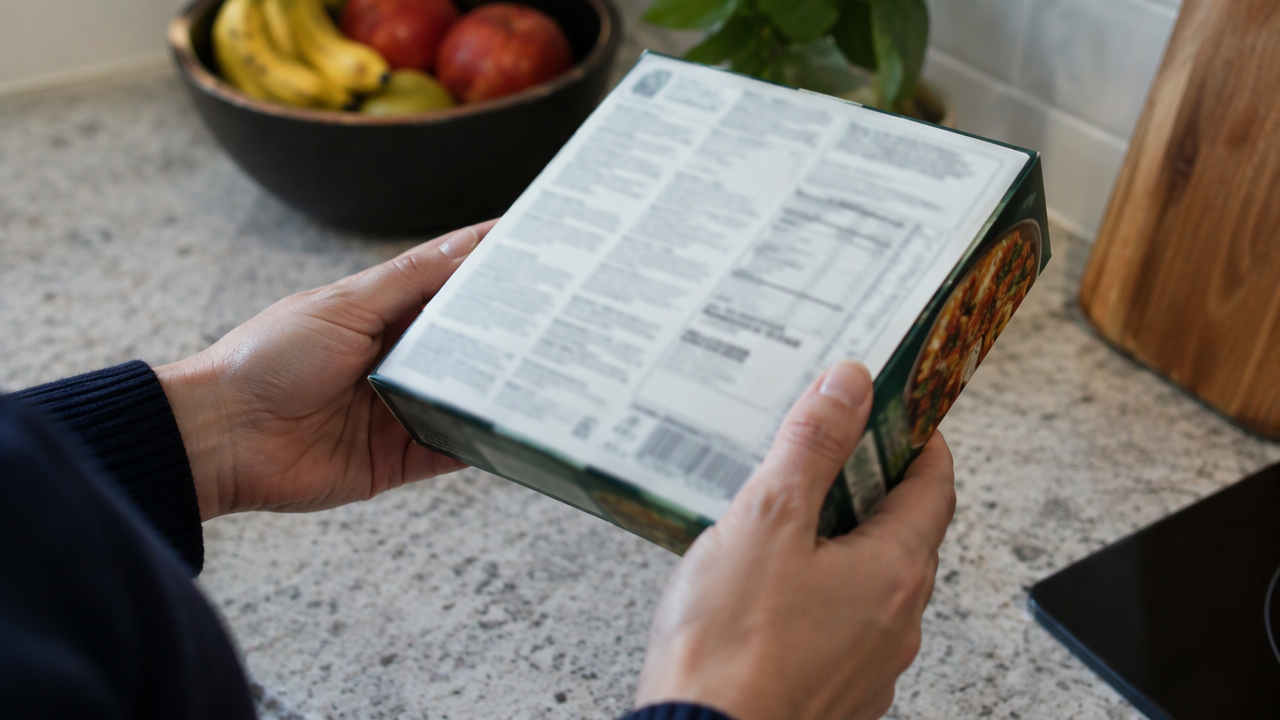
Saratoga Potato Chips LLC, a snack manufacturer based in Fort Wayne, Indiana, has recalled 769 cases of its J. Higgs Loaded Bacon & Cheddar Potato Chips because the product contains soy that is not declared on the label, according to a U.S. Food and Drug Administration enforcement record. The voluntary, firm-initiated recall was launched on Sept. 15, 2026, assigned recall number H-0090-2027, and classified by the FDA as Class II; it remains active. The affected chips were distributed in Florida, Indiana, Kentucky, Maryland, Ohio and Tennessee, and were sold in Save A Lot stores, according to the agency.
What was recalled, and how a family can identify it
The recall covers J. Higgs Loaded Bacon & Cheddar Potato Chips in 7.75-ounce (219.7 gram) bags bearing UPC 051933316454. The bags were shipped 13 to a case, and the recall covers 769 cases in total, according to the FDA record. The FDA lists the product type as pork, a reflection of the bacon in the formula; the finished item is a shelf-stable snack food regulated by the FDA rather than by the USDA's meat inspection program.
Two date codes are involved, and both matter. Consumers should look for the printed phrase "Best if USED BY" followed by either Dec 11 26 or Dec 18 26. A bag without one of those two date codes is not part of this recall. Because the recall is built around a labeling failure rather than a visible defect, the packaging will look entirely normal: the chips are not spoiled, the bags are not dented, and nothing about the appearance or smell of the product signals a problem. The sole reliable check is the UPC and the date code on the bag.
Why an undeclared soy allergen matters most for the vulnerable
Soybean is one of the major food allergens recognized under federal labeling law, and for the households that manage a soy allergy, the ingredient list is not a preference but a medical instruction. Allergic reactions to soy can range from hives, flushing and itching to swelling of the lips and throat, wheezing, vomiting and a dangerous drop in blood pressure. For a small number of people, exposure can trigger anaphylaxis, a whole-body reaction that requires epinephrine and emergency care.
Children are a particular concern. Soy allergy is among the more common food allergies diagnosed in infants and young children, and a child who reacts for the first time to an unlabeled ingredient is a child whose family had no chance to plan. Older adults and people with asthma or other chronic conditions also face a harder road if a reaction escalates, and a caregiver reading a label on behalf of someone else cannot see a warning that was never printed.
This is the reason federal rules require major allergens to be named in plain language in the ingredient list or in a "Contains" statement. When that statement is missing, the safety net that allergic families rely on every single shopping trip simply is not there, no matter how carefully they read.
How the problem surfaced, and what the Class II label means
The FDA's public record for this recall does not describe how the label discrepancy was discovered, whether through internal quality checks, a supplier review or an outside report. It does confirm that the firm initiated the recall itself, and that the agency reviewed and classified it. That sequence is standard: companies withdraw product, and the FDA assigns a classification that reflects its judgment about the health risk.
A Class II classification means the agency concluded that exposure to the product may cause temporary or medically reversible health consequences, or that the probability of serious harm is remote. The FDA's record describes the risk level as low. The record does not report any confirmed illnesses or adverse reactions tied to these bags, and no injuries should be assumed from the classification alone.
Two features of this recall are worth noting for consumers who track patterns. First, the reach is regional but not local: six states and a discount grocery chain mean the bags could travel with families, sit in pantry cabinets for weeks, or be handed off to neighbors. Second, snack chips have a long shelf life, and the December 2026 date codes mean these bags can remain in circulation well after news coverage fades. Undeclared-allergen recalls are among the most preventable events in the food supply, because the fix is a correctly printed package.
What families should do now
Anyone with a soy allergy, or anyone cooking for a person with one, should check the pantry for 7.75-ounce J. Higgs Loaded Bacon & Cheddar bags and compare the UPC and the "Best if USED BY" code against the recall notice. Bags matching the recall should not be eaten, opened for a party, donated or fed to anyone. Retailers typically accept returns of recalled product and issue a refund; consumers who bought the chips at Save A Lot can ask the store about its return policy.
Households without a soy allergy do not face the same risk from this product, but they should not pass the bags along to friends or food pantries, because the danger travels with the package. Consumers who believe they or a family member reacted to this product should seek medical care and report the event to the FDA's consumer complaint coordinator for their state, which helps the agency connect scattered reports into a pattern. Anyone prescribed an epinephrine auto-injector should carry it, and caregivers should remember that antihistamines do not treat anaphylaxis and are not a substitute for emergency care.
Consumer checklist for this recall
- Find the bag: J. Higgs Loaded Bacon & Cheddar Potato Chips, NET WT 7.75 OZ (219.7g).
- Check the UPC: 051933316454.
- Check the date code: "Best if USED BY Dec 11 26" or "Best if USED BY Dec 18 26."
- Do not eat, open, donate or share a matching bag if anyone in the household has a soy allergy.
- Return it to the store where it was purchased and ask about a refund.
- Wash hands after handling the bag if it will be returned, and keep it away from young children in the meantime.
- Report a reaction to a physician and to the FDA's consumer complaint coordinator for your state.
The watchdog takeaway
Recalls like this one are small by the numbers and serious by the standard that matters: a family with a soy-allergic child shopping at a discount grocer has no way to verify an ingredient that was never printed. The burden of safety here does not fall on the shopper's powers of observation. It falls on the label, the printer, the line check and the firm that signs off before a case leaves the plant. The FDA's record shows a company that moved to pull product and an agency that classified the action, and that is the system working as designed after the fact.
What the record does not show is how the soy went missing from the label in the first place, and that omission is the part consumers cannot audit. Watchdog attention belongs there, in the preventive steps that keep an allergen off a bag it does not belong on. In the meantime, the practical protection is unglamorous and fast: check the UPC, check the date code, and treat an undeclared allergen as a genuine hazard for the people who live with one every day.
Consumers can review the affected products, sizes and codes on the full recall details and product list, and read the agency's own entry in the official FDA notice.