Punahele Jerky Beef Crisps Alert: Undeclared Soy Sold Nationwide
USDA issued a public health alert March 1 for three Punahele beef crisp products sold in Hawaii stores and online nationwide because soy lecithin is missing from the label.
By Dustin Reed Terry, Founder & Editor · Published
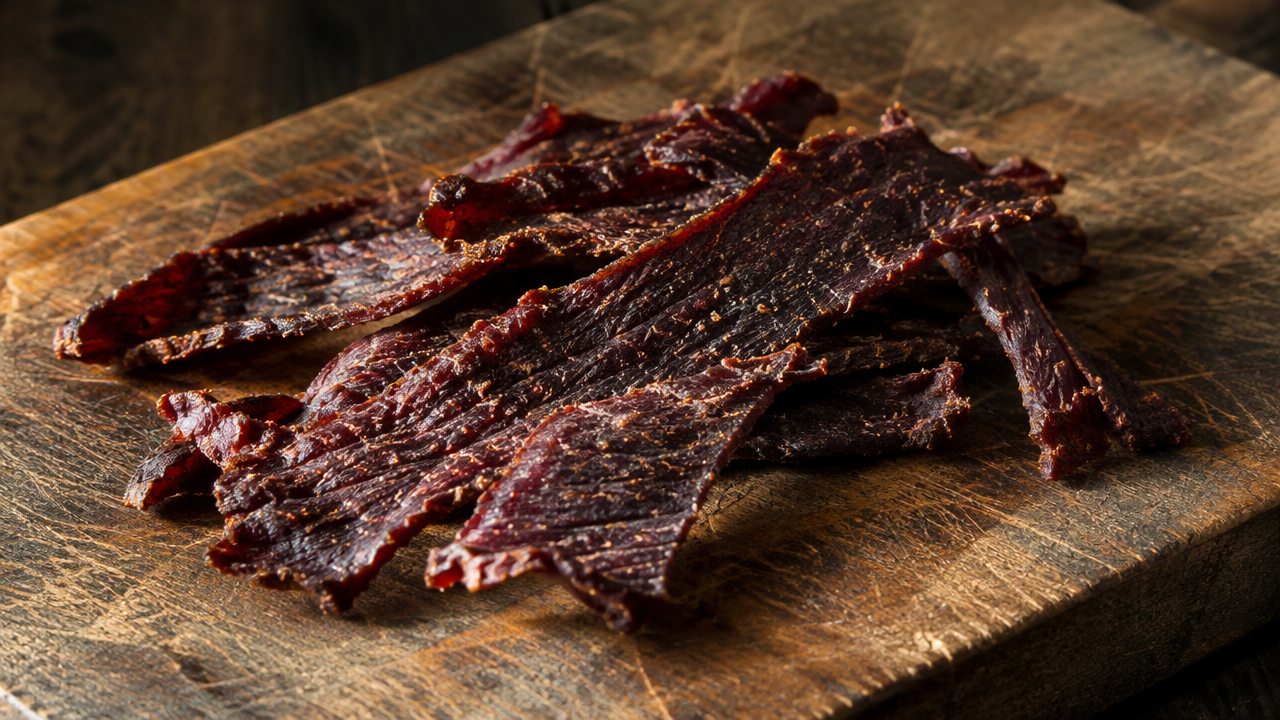
Punahele Jerky Company, Inc., a Hawaii-based manufacturer operating under USDA establishment number 2625, is the subject of a public health alert issued March 1, 2026 by the USDA Food Safety and Inspection Service, after agency reviewers determined that three ready-to-eat beef crisp products may contain soy lecithin that is not declared on the label. The products went to retail stores in Hawaii and were also sold through online sales nationwide, according to FSIS. The agency said a recall was not requested because the products are no longer available for purchase, but it is warning consumers that some of the shelf-stable items may still be sitting in home pantries, and it is urging people not to eat them.
What is covered, and how to identify it
The alert, numbered PHA-03012026-01, covers three products, all sold in plastic packages and all bearing best-by dates of February 17, 2027 or prior, according to the FSIS notice:
- 6-oz. plastic packages containing "DRIED HAWAIIAN STYLE BEEF CRISPS, ORIGINAL SALT & PEPPER FLAVOR," bearing establishment number "EST. 2625" inside the USDA mark of inspection.
- 4-oz. plastic packages containing "PUNAHELE JERKY COMPANY INC UNCLE K'S BEEF CRISPS."
- 4-oz. plastic packages containing "PUNAHELE JERKY COMPANY INC KILAUEA FIRE SPICY BEEF CRISPS."
The establishment number is the key identifier. Consumers should look for "EST. 2625" printed inside the round USDA mark of inspection, usually on the back or side of the package. The agency has posted sample labels with the official notice so shoppers can compare what is in hand against what was flagged. Because distribution ran both through Hawaii retailers and through online orders shipped nationwide, geography is no protection here; a package bought from a website and delivered to any state falls under the same alert.
The hazard: an allergen that no cooking step will fix
Soy is one of the major food allergens that federal labeling law requires manufacturers to declare on food packages. For the roughly 1 to 2 percent of Americans estimated to be allergic to soy, and for parents of children who are, an undeclared allergen is a serious matter: reactions can range from hives and gastrointestinal distress to anaphylaxis, a life-threatening emergency that requires epinephrine and immediate medical care.
What makes jerky and dried beef products a particularly unforgiving category is that they are ready-to-eat. There is no final cook step at home that a consumer might mistakenly believe offers protection, and in any case no cooking temperature destroys an allergenic protein. For products like these, the label is the only defense the consumer has, which is exactly why FSIS treats a missing allergen declaration as a public health matter rather than a bookkeeping error. In the agency's framing, this is a misbranding problem: the package does not say what the food may contain.
FSIS said there have been no confirmed reports of adverse reactions tied to these products. That is good news, and it is also not a clean bill of health for anyone with a soy allergy; it simply means no one has reported an illness to the agency.
Why this is an alert and not a recall
The distinction matters for consumers trying to judge how seriously to take the notice. A public health alert is issued when FSIS believes product that may be unsafe is in the market but the usual recall mechanism does not apply, or when the agency wants to warn the public about a problem without invoking a recall. Here the agency stated plainly that a recall was not requested because the products are no longer available for purchase. In practical terms, that means there is no ongoing removal action at retail to watch for. There is no store-level announcement to catch, no expanding list of retailers as a distribution chain is traced.
What remains is the pantry. These are shelf-stable items with best-by dates stretching to February 2027 or earlier, which means a package bought months ago could still be on a shelf, in a lunch bag rotation, or in a desk drawer. Consumers who stocked up, or who ordered online in bulk, are the people this alert is aimed at, and they are the people who will have to act on it themselves.
How the problem was found, and what it says about the system
FSIS said the problem was discovered during a routine FSIS label review. That detail is worth pausing on. The finding did not come from an illness cluster, a consumer complaint or a company-initiated report; it came from a routine check of labeling conducted by the agency itself. That is the system working as designed, and it is also a reminder of where the backstop sits. When a label is wrong, the verification step that catches it is often a review after the fact, while the product is already in commerce.
The alert also illustrates how quickly a regional producer becomes a national one. A small Hawaii company selling through retail stores on the islands and through online orders reaches households in every state. Online sales have steadily eroded the old assumption that a recall's geographic footprint matches a firm's home region, and consumers should read distribution language carefully rather than assuming a Hawaii-based product stayed in Hawaii.
What consumers should do now
FSIS is asking consumers who have purchased these products not to consume them. The agency says the products should be thrown away or returned to the place of purchase. Anyone concerned about a reaction after eating the products should contact a health care provider. Consumers with questions about the alert can reach Sabrina Vaughn, Food Safety and QA Compliance Officer, at 808-961-0877. General food-safety questions can go to the USDA Meat and Poultry Hotline at 888-674-6854 (888-MPHotline) or by email to [email protected], and problems with a meat, poultry or egg product can be reported 24 hours a day through FSIS's online Electronic Consumer Complaint Monitoring System at https://foodcomplaint.fsis.usda.gov/eCCF/.
Consumer checklist
- Check your pantry, vehicle, desk and travel bags for the three Punahele products named above.
- Look for "EST. 2625" inside the USDA mark of inspection, and check for best-by dates of February 17, 2027 or prior.
- Do not eat the product, and do not taste it to check. An allergen is not detectable by smell or flavor.
- Throw the product away or return it to the store where it was purchased.
- If someone with a soy allergy has already eaten it, watch for symptoms and contact a health care provider with any concern.
- If you have a reaction or spot a problem with a meat or poultry product, report it to FSIS through the Electronic Consumer Complaint Monitoring System.
- Tell anyone who shares your kitchen, including caregivers and family members who may have bought the product online.
The watchdog takeaway
Undeclared allergens are among the most persistent causes of USDA food-safety actions, and this alert shows why they resist easy fixes. The hazard does not announce itself. There is no spoilage smell, no swollen package, no visible sign that a bag of beef crisps contains something a family member must avoid. The label is the entire safety barrier, and when the label is wrong, nothing downstream catches the error except a consumer reading carefully and an agency reviewer doing a routine check. That is a thin margin to rest on, and it is why notices like this one deserve attention long after the initial news cycle, particularly for shelf-stable products that can linger in a pantry for a year or more.
Consumers who want the complete product list and label images can find them on our full recall details and product list page, alongside the official USDA FSIS notice. For step-by-step guidance on what to do with a product under alert, including how to dispose of it safely and how to report a problem, see our guide to handling recalled meat.