Listeria Alert on Mary's Harvest Curry Chicken Salad Targets High-Risk Shoppers
USDA's FSIS issued a public health alert July 30 for 8-oz curry chicken salad sold in Oregon and Washington, with pregnant people, older adults and immunocompromised families most at risk.
By Dustin Reed Terry, Founder & Editor · Published
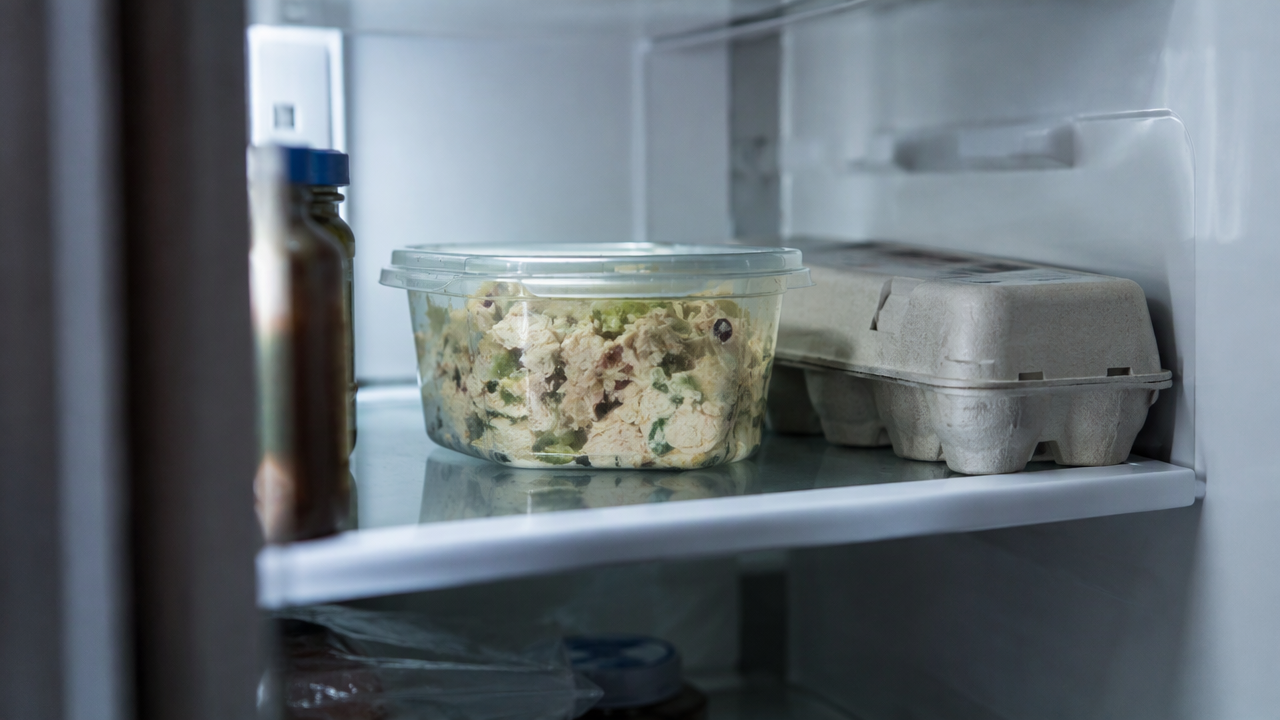
The USDA's Food Safety and Inspection Service on July 30, 2026 issued a public health alert for 8-ounce plastic packages of CURRY CHICKEN SALAD produced by Mary's Harvest Fresh Foods, Inc., warning that the ready-to-eat deli item may be contaminated with Listeria monocytogenes. The product bears establishment number P-39928 inside the USDA mark of inspection, was produced on July 22, 2026 and was shipped to retail locations in Oregon and Washington, according to the agency. A recall was not requested because the products are no longer available for purchase. FSIS said it is nonetheless concerned that some packages may still be in consumers' refrigerators, and that is precisely where the alert matters most — in households that include pregnant people, older adults and anyone with a weakened immune system.
What was flagged, and how to identify it
The alert covers one item only: 8-oz. plastic packages containing portions of "CURRY CHICKEN SALAD" with a USE BY: 07/30/2026 date printed on the back label, according to FSIS. The packages carry establishment number "P-39928" inside the USDA mark of inspection.
Two details matter when checking a refrigerator. The use-by date on the package is July 30, 2026 — the same day the alert was issued — and the product was produced on July 22, 2026. Distribution was limited to retail locations in Oregon and Washington, the agency said. The USDA mark of inspection and its establishment number are the fastest way to confirm whether an item matches the notice. Consumers who have already discarded the outer packaging should err on the side of caution and treat any unbranded portion of curry chicken salad bought in those two states in late July as suspect.
Why Listeria is treated differently from other hazards
Listeriosis is not a typical stomach bug, and the federal notice is explicit about who bears the greatest risk. Consumption of food contaminated with Listeria monocytogenes can cause listeriosis, "a serious infection that primarily affects older adults, persons with weakened immune systems, and pregnant women and their newborns," FSIS said, adding that people outside those groups are affected less commonly.
Symptoms listed by the agency include fever, muscle aches, headache, stiff neck, confusion, loss of balance and convulsions, sometimes preceded by diarrhea or other gastrointestinal symptoms. An invasive infection spreads beyond the gastrointestinal tract. In pregnant women, the agency warns, the infection can cause miscarriages, stillbirths, premature delivery or a life-threatening infection of the newborn; in older adults and people with weakened immune systems, serious and sometimes fatal infections can occur. Listeriosis is treated with antibiotics, which is why timing matters.
FSIS advised that people in higher-risk categories who experience flu-like symptoms within two months after eating a contaminated food should seek medical care and tell their health care provider about the food they ate.
Two general food-safety facts help explain why a chilled salad is a concern. Listeria can grow at refrigeration temperatures, so cold storage slows but does not stop it, and ready-to-eat salads carry no cooking step at home — the food goes from container to plate. Fully cooked poultry should reach 165 F as measured with a food thermometer when reheated, but reheating is not a substitute for discarding a product named in a public health alert.
How the problem was found, and what it says about the system
According to the notice, the problem was discovered during routine establishment testing. That detail is worth pausing on. The contamination was caught by a testing program rather than by a cluster of illnesses, and FSIS said there have been no confirmed reports of illness due to consumption of these products. Nothing in the record indicates how the contamination occurred, and the agency did not speculate.
The distinction between a recall and a public health alert also matters. FSIS said a recall was not requested because the products are no longer available for purchase — language the agency uses when a product's shelf life has run out before an investigation concludes. A public health alert tells consumers that a hazard existed in food that may still be in their homes, even though there is nothing left on store shelves to pull. The practical effect is that the final check falls to households rather than retailers.
What families should do now
FSIS urged consumers who purchased the product not to consume it, and said it should be thrown away or returned to the place of purchase. Because the use-by date has now arrived, a package could still be in a refrigerator past the point where anyone would think to look at it.
For households that include a pregnant person, an adult over 65 or someone undergoing treatment that weakens the immune system, that advice deserves more than a glance. Discard the product without tasting it, clean the shelf or drawer where it sat, wash hands after handling the package, and keep the refrigerator at 40 F or below. Anyone who ate the salad and develops flu-like symptoms within the next two months should contact a health care provider and mention the food, in line with federal guidance for higher-risk groups.
Media and consumers with questions about the alert can contact Ernie Spada Jr., Sr. Vice President/Owner of Mary's Harvest Fresh Foods, Inc., at (503)-288-8300 or [email protected], according to the notice. General food safety questions can go to the USDA Meat and Poultry Hotline at 1-888-674-6854 or [email protected].
The broader takeaway
Prepared deli-style salads sit at an uncomfortable intersection of convenience and risk. They are assembled by hand, sold cold and eaten without further cooking, which means a single contamination event can reach a household with no warning sign — no off odor required, no label instruction to cook. The consumers most likely to be harmed are often the ones least able to fight off an invasive infection.
The system worked here in the sense that testing caught the problem and the agency told the public quickly, with no confirmed illnesses reported. But an alert that arrives on the last day of a product's shelf life puts the final safeguard in the kitchen. Families that check the establishment number, honor use-by dates and act on federal notices are performing a job no agency can do for them.
Consumer checklist
- Check refrigerators for 8-oz. plastic packages of "CURRY CHICKEN SALAD" with a USE BY: 07/30/2026 date on the back label.
- Confirm the establishment number "P-39928" inside the USDA mark of inspection.
- Do not taste-test a suspect package to judge whether it is safe.
- Throw the product away or return it to the store; do not donate it.
- Clean and sanitize the refrigerator shelf or drawer where it was stored, and wash hands after handling the package.
- If a pregnant person, an older adult or an immunocompromised family member ate the product, watch for flu-like symptoms for up to two months and seek care promptly if they appear.
- Report problems with meat, poultry or egg products through FSIS's Electronic Consumer Complaint Monitoring System at foodcomplaint.fsis.usda.gov/eCCF/.
Families in Oregon and Washington who bought prepared chicken salad in late July should treat this notice as a household task rather than a headline. For the complete product description, label images and distribution details, see the full recall details and product list, the official USDA FSIS notice, and our guide to handling recalled meat.