Krasnyi Oktyabr Recalls Starfish Seafood Cold Smoked Salmon for Listeria
A Brooklyn firm has recalled 86 cases of Starfish Seafood cold-smoked salmon and a salmon-halibut-trout trio across nine states after Listeria monocytogenes was detected.
By Dustin Reed Terry, Founder & Editor · Published
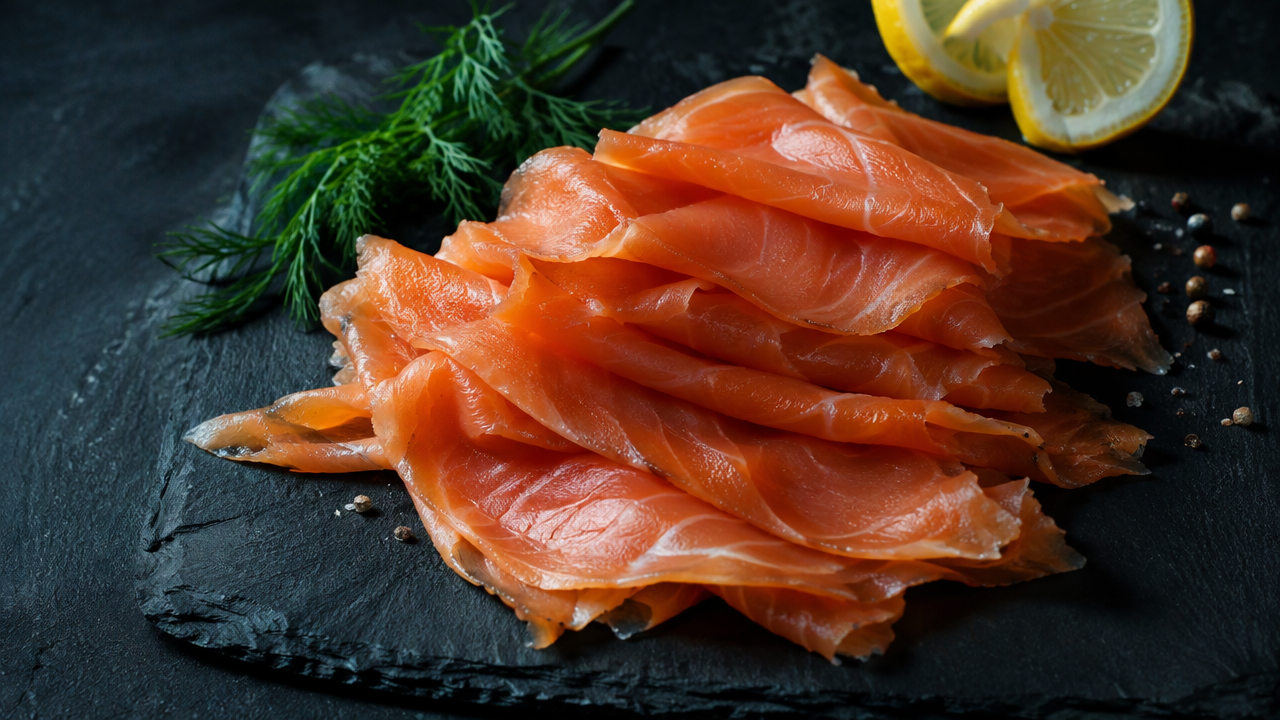
Krasnyi Oktyabr Inc, a food company based in Brooklyn, New York, initiated a voluntary recall of two Starfish Seafood brand cold-smoked salmon products after they were found contaminated with Listeria monocytogenes, according to a U.S. Food and Drug Administration notice dated October 6, 2026. The action, recall number H-0192-2027, covers 86 cases of Starfish Seafood Cold Smoked Norwegian Salmon and Starfish Seafood Cold Smoked Trio Salmon Halibut Trout that reached nine states: Florida, Georgia, Massachusetts, Nevada, New Jersey, New York, North Carolina, Ohio and South Carolina. The FDA has classified the recall as Class I, the agency's most serious designation, and lists the recall as active. The official record does not report any confirmed illnesses connected to the products.
What was recalled and how to identify it
The recall involves two ready-to-eat, cold-smoked seafood items sold under the Starfish Seafood label. Both are the kind of vacuum-sealed, sliced product a shopper might pick up for a holiday table or a weekday lunch, and both are eaten without any cooking step that would kill bacteria. According to the FDA notice, the products are identified as follows:
- Starfish Seafood Cold Smoked Norwegian Salmon — UPC 4751048940099, lot D080-148, with a best-before date printed as 27.11.2027.
- Starfish Seafood Cold Smoked Trio Salmon Halibut Trout — UPC 4751048940341, lot number D139149161-153, with an expiration date of 12/01/2027.
Consumers should read the small print on the back or edge of the package rather than relying on the front label. The lot code and the date are the two fields that matter. Note that the two products carry dates printed in different formats — one in day-month-year style, one in month-day-year — so shoppers should match the exact string of numbers shown above rather than assuming a date has passed or has not. Both dates fall in late 2027, which reflects the long refrigerated or frozen shelf life typical of this category and means these packages may sit in home refrigerators and freezers for a long time. The recall covers 86 cases in total, a small volume that was nonetheless spread across nine states.
Why Listeria in cold-smoked salmon is a serious hazard
The FDA assigns Class I to a recall when there is a reasonable probability that use of, or exposure to, a product will cause serious adverse health consequences or death. That classification is not routine. It is reserved for situations in which the agency believes the risk to consumers is severe, and it is why a recall involving 86 cases of fish warrants attention well beyond its size.
Listeria monocytogenes is a bacterium that behaves differently from the pathogens most often associated with foodborne illness. It survives and continues to multiply at refrigerator temperatures, so cold storage does not halt it the way it slows many other organisms. It is also comparatively tolerant of salt and of the smoke-and-cold conditions used to produce cold-smoked salmon, which is cured and smoked but never brought to a cooking temperature. For a healthy adult, listeriosis can produce fever, muscle aches, headache, stiff neck, confusion, loss of balance and convulsions, or gastrointestinal symptoms such as nausea and diarrhea. For pregnant people, older adults and people with weakened immune systems, the consequences can be far more severe, including miscarriage and stillbirth, and life-threatening infection. Federal guidance directs those groups in particular to be cautious with ready-to-eat refrigerated seafood unless it has been heated to steaming, which is the practical reason a Listeria finding in this product category is treated as a Class I event rather than a quality concern.
How the problem was found and what the record shows
The FDA notice does not describe the specific circumstances that led to the contamination finding, so the exact trigger — a routine product sample, a state surveillance test or the firm's own testing — is not established by the public record. What the record does show is the sequence that follows a positive result: the firm initiated the recall voluntarily on October 6, 2026, the FDA reviewed it, assigned it recall number H-0192-2027, and placed it in Class I. That is the system working in its intended order, with the company acting before the agency compelled anything.
Two details in the paperwork are worth pausing on. First, a recall of 86 cases that reaches nine states is a reminder of how thoroughly modern distribution networks dissolve geography. A single production lot from one Brooklyn facility can land on retail shelves from Massachusetts to Nevada, so the list of affected states is often far longer than the volume of product would suggest. Second, the fact that two distinct date-and-lot formats appear in the official listing is a practical warning to shoppers: identification depends on reading codes precisely, because the packaging does not present them in a uniform way. Neither point is evidence of wrongdoing. Both illustrate why recalls in this category are hard for consumers to navigate without the notice in hand.
What consumers should do now
Anyone holding a package matching either UPC and lot code should not eat it, even if it looks and smells normal. Listeria contamination is not detectable by sight or smell, and cold-smoked salmon carries no cooking step at home that would reliably eliminate the organism before the fish is eaten. The FDA's standard advice is to throw the product away or return it to the place of purchase for a refund, to wash hands, utensils, plates and any refrigerator shelves or drawers that touched the package with hot soapy water, and to avoid cross-contaminating other ready-to-eat foods during cleanup. Because Listeria can colonize a refrigerator, wiping down the surfaces the package rested on is not optional housekeeping.
Consumers with questions about seafood recalls can reach the FDA's consumer information line at 1-888-SAFEFOOD (1-888-723-3366). For general questions about safe cooking temperatures and storage of meat, poultry and fish, the USDA Meat and Poultry Hotline is available at 1-888-674-6854. Retailers and distributors in the nine listed states that received product should check their stock against the lot codes and hold any matching packages.
The watchdog takeaway
Cold-smoked salmon has a long history as a recurring category for Listeria recalls, and this notice fits the pattern rather than breaking it. The hazard is structural: a ready-to-eat, refrigerated, minimally processed fish that people eat raw by design offers Listeria an unusually clear path to the consumer, and a long 2027 date code extends the window in which an affected package can remain in circulation. A Class I designation on 86 cases is the agency's way of saying that the size of a recall and the severity of a recall are different measurements.
For consumers, the lesson is procedural rather than alarming. Keep the packaging until the product is eaten, so a lot code can be checked against a notice like this one. Read the small print rather than the front label. And treat ready-to-eat refrigerated seafood with the caution the federal guidance asks for, particularly in households that include a pregnant person, an older adult or someone who is immunocompromised.
Consumer checklist
- Check the label: look for UPC 4751048940099, lot D080-148, best before 27.11.2027 (Cold Smoked Norwegian Salmon) or UPC 4751048940341, lot D139149161-153, expiration 12/01/2027 (Cold Smoked Trio Salmon Halibut Trout).
- Do not taste-test a suspect package. Appearance and odor will not reveal Listeria.
- Discard or return any matching product to the retailer for a refund.
- Clean up: wash hands, knives, boards and any refrigerator shelf or drawer that held the package with hot soapy water.
- Protect high-risk households: pregnant people, older adults and immunocompromised individuals should avoid unheated ready-to-eat refrigerated seafood, per federal guidance.
- Check the freezer, not just the refrigerator. The 2027 date codes mean affected product may have been set aside for later.
- Keep the packaging until the product is gone, so the lot code can be verified against future notices.
The recall remains active and the FDA classification stands at Class I. Consumers can review the complete product identification details on our full recall details and product list, read the primary source in the official FDA notice, and consult our guide to handling recalled meat for step-by-step instructions on cleaning a refrigerator and disposing of affected food.