Imperio Distribution Recalls 946 Pounds of Beef Jerky Sold Without Inspection
Federal inspectors say 946 pounds of Imperio brand carne seca went out under another plant's USDA inspection mark, and 2-ounce bags may still be in home refrigerators, freezers and pantries.
By Dustin Reed Terry, Founder & Editor · Published
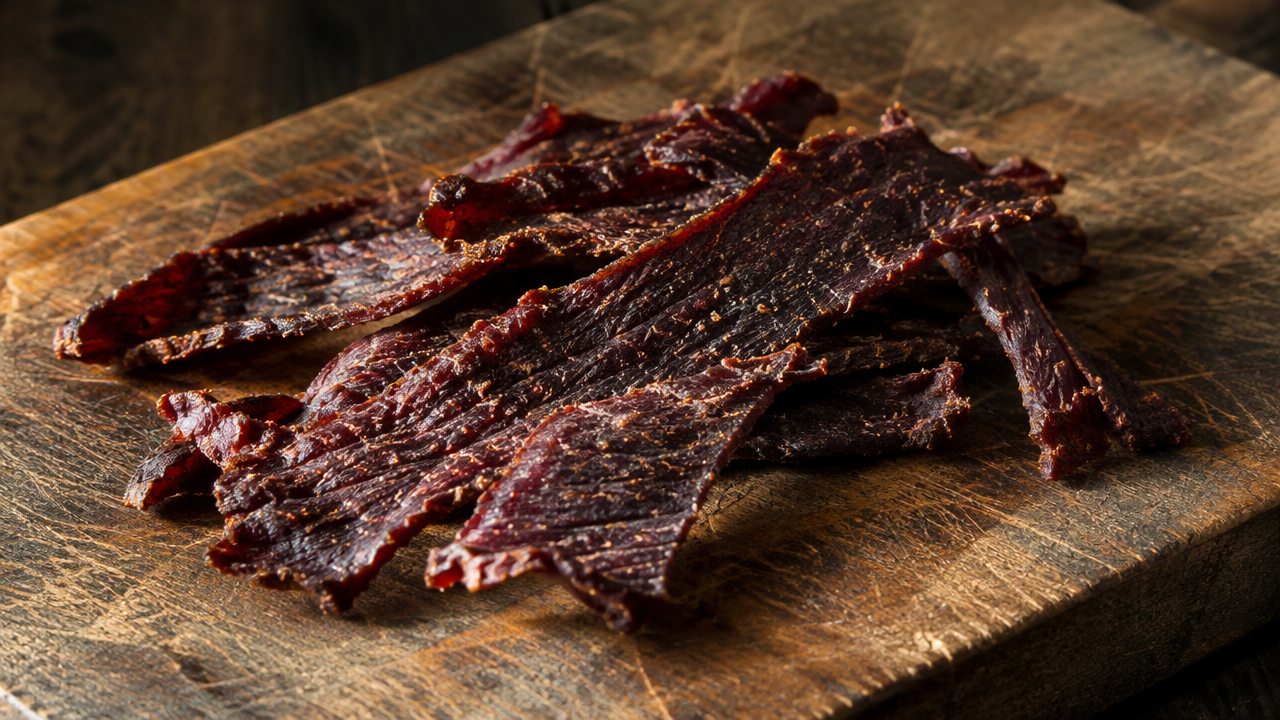
Imperio Distribution LLC, an Elgin, Illinois, establishment, is recalling approximately 946 pounds of ready-to-eat beef jerky that federal inspectors say was produced without the benefit of federal inspection and misbranded through the unauthorized use of a USDA mark of inspection, according to the USDA Food Safety and Inspection Service. The recall, number 027-2026 and dated October 24, 2026, is a Class I action, the agency's most serious classification, and its status is listed as active.
The jerky was sold in 2-ounce sealed bags under three labels: "IMPERIO FUEGO BEEF JERKY (CARNE SECA)," "IMPERIO ORIGINAL BEEF JERKY (CARNE SECA)" and "IMPERIO LIMÓN BEEF JERKY (CARNE SECA)." According to FSIS, the products were packaged between January 2026 and October 2026 and were distributed to retail locations in Illinois, Indiana, Iowa, Michigan, Minnesota, Missouri and Wisconsin. The agency says there have been no confirmed reports of illness or injury due to consumption of these products.
For households, the practical question is not whether the jerky looked or tasted wrong. It is whether a 2-ounce bag carrying one of those three labels is sitting in a refrigerator drawer, a freezer shelf or a pantry bin right now.
What was recalled, and how to identify it
The recall covers three flavors of Imperio beef jerky in 2-ounce sealed bags. The products are shelf-stable and ready to eat, which means they do not need refrigeration before opening and can sit in a cupboard for months. Once a bag is opened, many households move it to the refrigerator or freezer, which is exactly where a package from this recall is most likely to be found now.
The identifying detail FSIS points to is the USDA mark of inspection, which on these products carries establishment number 1885. According to the agency, the mark was used without authorization and belongs to another facility. That is an important distinction for shoppers: on these specific bags, the presence of a USDA mark is not evidence that the jerky was made under federal inspection.
Distribution is listed as retail locations in seven states. The agency's recall summary and its longer notice differ by one state: the notice text lists Missouri, while the summary lists Mississippi. FSIS has not explained the difference in the record released so far. Households in either state, and anyone who received jerky from a friend or relative who lives in the Midwest, should check the packaging rather than rely on where they believe the product was bought.
Why a Class I recall over jerky draws attention
A Class I classification means the agency has determined there is a reasonable probability that use of the product will cause serious adverse health consequences or death. That does not mean illnesses have been reported. It means the agency will not wait for them.
FSIS states that food produced without inspection may contain undeclared allergens, harmful bacteria or other contaminants that put consumer health and safety at risk. In an inspected facility, federal personnel verify sanitation, review production records and confirm that the process used actually achieves the conditions that make a ready-to-eat meat product safe. That verification is the reason jerky can be sold without a cooking step at home.
Beef jerky is a ready-to-eat food. There is no consumer cooking step that substitutes for federal inspection, and no way for a shopper to look at a sealed bag and confirm that the drying process, water activity and ingredient controls were correct. That is precisely the assurance the inspection mark is supposed to carry, and the agency says that assurance was borrowed here from a facility that did not produce this jerky.
Undetected allergens are a particular concern in recalls of this type. A person managing a food allergy cannot evaluate a product for ingredients that were never verified or declared correctly. The record does not identify a specific undeclared allergen, and this story does not speculate about one.
How the problem was found, and what it says about the system
FSIS attributes the discovery to its own surveillance activities. The notice does not describe a company-initiated recall, a consumer complaint or an illness cluster; it describes an agency that was already watching and caught something.
That is the reassuring reading, and it is also the sobering one. A mark of inspection is a chain of custody: a number on a package is supposed to trace back to a specific federally inspected establishment whose operators and processes were reviewed. When that mark is applied without authorization, the traceability that consumers assume is broken at the exact point they would rely on it. The agency's surveillance found it, but the finding came after products had been packaged across a window stretching from January to October 2026.
The record released so far does not say how many retail locations received the jerky, how the mark came to be applied, or whether the facility that owns establishment number 1885 had any role in the product. Those questions are unanswered in the public notice, and the agency has not said whether additional action is pending.
FSIS says it routinely conducts recall effectiveness checks to verify that recalling firms notify their customers and take steps to make certain the product is no longer available to consumers. Retail distribution lists, when available, are posted at fsis.usda.gov/recalls. Those lists matter for shoppers who want to know whether a specific store received the product rather than guessing.
What consumers should do now
Anyone who has purchased these products is urged not to consume them, according to FSIS. They should be thrown away or returned to the place of purchase. Consumers with questions about the recall can contact Manuel Cortes, owner of Imperio Distribution LLC, at 630-532-9560 or [email protected].
Because the jerky is shelf-stable, the check should extend beyond the refrigerator: pantry shelves, lunch bags, desk drawers, car consoles and emergency kits are all plausible places for a 2-ounce bag to end up. Parents should also check bags that were bought for children or packed for school and work lunches.
Anyone concerned about an illness or injury after eating the product should contact a healthcare provider, the agency says. Consumers with general food-safety questions can call the toll-free USDA Meat and Poultry Hotline at 1-888-674-6854 (888-MPHotline) or email [email protected].
- Check the refrigerator, freezer, pantry, lunch bags and vehicles for 2-ounce sealed bags labeled Imperio Fuego, Imperio Original or Imperio Limón Beef Jerky (Carne Seca).
- Look for establishment number 1885 inside the USDA mark of inspection. On these products the mark was used without authorization and does not vouch for the jerky.
- Do not eat the product and do not serve it to children or guests.
- Throw it away or return it to the store where it was purchased.
- Contact a healthcare provider if someone who ate the product has concerns about illness or injury.
- Report a problem with a meat, poultry or egg product through FSIS's Electronic Consumer Complaint Monitoring System, available 24 hours a day at foodcomplaint.fsis.usda.gov/eCCF/.
- Call the USDA Meat and Poultry Hotline at 1-888-674-6854 with food-safety questions.
The watchdog takeaway
Recalls like this one are a reminder that the inspection mark is not decoration. It is the visible end of a verification system that most shoppers never see, and when it is applied without authorization, the package in a kitchen loses the one piece of evidence a consumer could actually check. Households cannot audit a drying process or a sanitation log. They can, however, read establishment numbers, watch the agency's recall notices and use the retail distribution lists when they are published.
The most useful habit in the days after a Class I notice is a physical one: open the refrigerator, open the freezer, open the pantry, and read the labels on the small packages that are easy to forget. The 2-ounce bags in this recall are exactly that kind of product, and they carry a ten-month packaging window that gives them plenty of time to still be on hand.
For the complete list of affected products, see full recall details and product list. The agency's own announcement, including label images and any updates, is available in the official USDA FSIS notice.