El Ruisenor de Mexico Recalls Ground Shrimp Over Undeclared Shellfish Allergen
A Vernon, California firm recalled 263.52 and 192 pounds of ground and dried whole shrimp with no lot codes and no UPCs, leaving shellfish-allergic families to identify the product by packaging alone.
By Dustin Reed Terry, Founder & Editor · Published
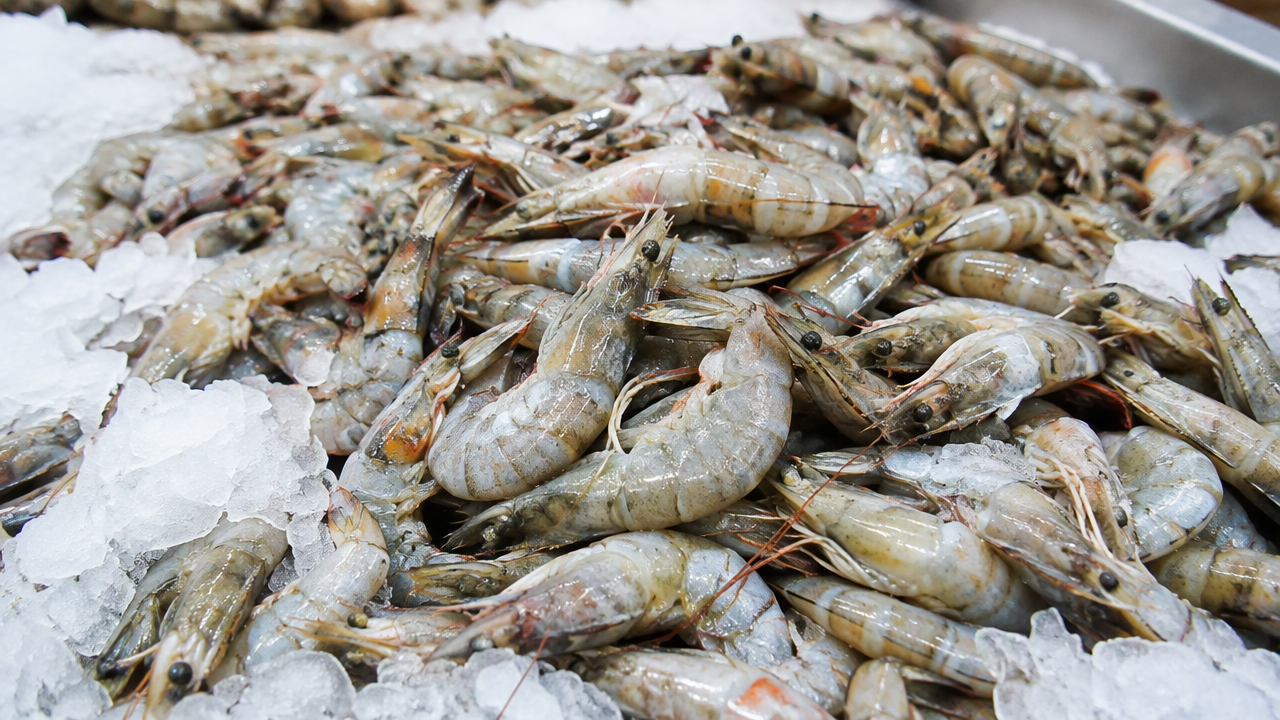
El Ruisenor De Mexico, Inc., a seafood company based in Vernon, California, initiated a voluntary recall of ground shrimp and dried whole shrimp on Aug. 24, 2026, because the products contain an undeclared allergen ingredient: shrimp, according to the U.S. Food and Drug Administration. The agency classified the action as Class III, assigned it recall number H-0115-2027 and lists it as active. The recall covers 263.52 pounds and 192 pounds of product, distributed primarily to retail and wholesale customers in California, with additional shipments to limited customers in Hawaii, Illinois, Kansas, Nevada, Oregon and Washington. No lot codes and no UPCs were assigned to either product, which is the detail that matters most to any household managing a shellfish allergy.
What was recalled, and what the packaging does and does not show
According to the FDA notice, two products are involved. Ground Shrimp was packed in clear plastic unit sizes of 1 pound, 5 pounds and 25 to 50 pounds. Dried Whole Shrimp was packed in clear plastic unit sizes of 1 pound, 5 pounds and 30 pounds. Neither product carries a UPC, and the agency record lists no lot code for either one. The firm's distribution is described as primarily California-based, serving both retail and wholesale customers, with the additional limited distribution to the six other states named above.
That combination creates a practical problem for shoppers. A UPC is how a consumer matches a package to a recall notice in a store aisle; a lot code is how a firm or a retailer narrows a recall to a specific production window. Without either, the recall notice effectively names a product form and a package size rather than a traceable batch. The agency record also does not describe a date range of production, so the notice as published does not allow a family to determine whether a particular 1-pound or 5-pound package was made before or after the problem was identified. The safest reading of a notice like this is the broadest one: treat any clear-plastic package of ground shrimp or dried whole shrimp from this firm as covered.
Because these are FDA-regulated seafood products rather than USDA-inspected meat or poultry, there is no establishment number in a mark of inspection to look for. The identifying information available to a consumer is the firm name, the product name, the clear plastic packaging and the unit size.
Why an undeclared shellfish allergen is a household-level problem
Crustacean shellfish, which includes shrimp, is one of the major food allergens recognized under federal labeling law, alongside milk, eggs, fish, tree nuts, peanuts, wheat, soybeans and sesame. There is no cure for shellfish allergy and no treatment that allows a person to eat the food safely; avoidance is the entire management strategy. Reactions can include hives, swelling of the face, lips or throat, wheezing, vomiting and, in the most serious cases, anaphylaxis, a whole-body reaction that can progress within minutes and requires epinephrine and emergency care.
That is why the shape of this particular recall deserves attention. The agency's record identifies shrimp as the undeclared allergen ingredient and does not describe how the shrimp went undeclared in a shrimp product, whether through a labeling error, a change in formulation or an ingredient sourced from a supplier. The record also does not report any illnesses or adverse reactions. The FDA lists the risk level for this action as marginal and classifies it as Class III, a category the agency uses when use of or exposure to a violative product is not likely to cause adverse health consequences. In recent years the FDA has commonly classified recalls involving undeclared major allergens as Class I, its most serious category, because exposure can trigger a life-threatening reaction. The published record does not explain the basis for the Class III assignment here, and families should not read the classification as reassurance that an allergic household member could safely eat the product.
The people most exposed by a notice like this are not abstract. They are children with a known shrimp allergy whose parents are managing school lunches and restaurant orders; teenagers eating away from home for the first time; and adults with adult-onset shellfish allergy, which can appear at any age in someone who ate shrimp without incident for decades. People with asthma who also have food allergy are generally advised by allergists to be especially cautious, because asthma is associated with a higher risk of severe reactions.
The bulk sizes matter too. Units of 25 to 50 pounds do not go home with a family; they typically move through food-service, delis and repacking operations, where the product may be portioned, relabeled or served without the original package anywhere in sight. A family eating shrimp salad or a prepared seafood dish away from home has no label to read, which is why asking direct questions of a server or counter staff matters during an active recall.
How the problem was found, and what the record leaves unanswered
This was a firm-initiated voluntary recall, according to the FDA record, and the notice does not state how the problem was discovered. That is not unusual; allergen recalls surface through a range of routes, including internal quality checks, label reviews, supplier documentation and consumer complaints. What the record does show is a notice with two significant gaps: no lot code and no UPC. Those omissions make the recall harder to act on at the retail counter and nearly impossible to act on once the product has left its original packaging.
The notice also leaves open how widely the undeclared ingredient reached consumers. Distribution is described as primarily California with limited shipments to six other states, but the record does not identify which retailers or wholesale customers received the product. For a family in California, Nevada, Oregon, Washington, Hawaii, Illinois or Kansas, that means the useful question is not only whether the product is in the refrigerator but whether it arrived through a store, a distributor or a prepared-food counter.
What families should do now
Anyone who has purchased clear-plastic packaged ground shrimp or dried whole shrimp from El Ruisenor De Mexico should not eat it, and should not serve it to anyone in the household. Return it to the place of purchase or discard it. In a home where someone has a shellfish allergy, the ordinary rules of cross-contact apply with more force than usual: a shared cutting board, a shared knife, a shared frying oil or a shared colander can carry enough protein to trigger a reaction, so utensils and surfaces used for the recalled product must be washed thoroughly with hot soapy water, and oil that has fried it should not be reused.
Households should confirm that every person who prepares food in the home, including older siblings and caregivers, knows the product is under recall and knows where the epinephrine auto-injector is kept. Anyone who experiences hives, throat tightness, wheezing or vomiting after eating shrimp should use epinephrine if prescribed and call 911; emergency care should not be delayed while waiting to see whether symptoms resolve.
Suspected reactions and product problems can be reported to the FDA. Consumers with questions about a recall can reach the agency's food information line at 1-888-SAFEFOOD (1-888-723-3366), and reactions can be reported through the FDA's MedWatch program or a local FDA consumer complaint coordinator.
A consumer checklist for this recall
- Check the package. Ground Shrimp in clear plastic 1, 5 and 25 to 50 pound units, and Dried Whole Shrimp in clear plastic 1, 5 and 30 pound units, from El Ruisenor De Mexico, Inc. of Vernon, California.
- Do not rely on a UPC or lot code. Neither product carries one, so any package matching the description should be treated as covered.
- Do not eat it, and do not taste it to check. Return it to the retailer or discard it sealed in a bag.
- Ask at the counter. If you buy shrimp salad, ceviche or prepared seafood dishes, ask whether the shrimp is from this firm and whether the product is part of the recall.
- Guard against cross-contact. Wash boards, knives, colanders and counters with hot soapy water, and do not reuse frying oil.
- Know the emergency plan. Review anaphylaxis signs with everyone in the household and confirm epinephrine is on hand and unexpired.
- Report problems. Contact the FDA at 1-888-SAFEFOOD or through MedWatch if you suspect a reaction or find the product still on sale.
The watchdog takeaway
For the roughly one in ten Americans living with a food allergy, the label is the only protection the system offers, and a recall notice without lot codes or UPCs asks those families to do work the supply chain did not do for them. The most vulnerable consumers here are not a hypothetical population: they are children whose allergy was diagnosed after a reaction, and older adults who have carried a shellfish allergy for decades. A Class III designation and a marginal risk level describe the FDA's assessment of the probability of harm across the whole population, not a guarantee for any single allergic person, and the notice does not explain how the shrimp allergen went undeclared in the first place. Families should act on the packaging, not the classification. Read the full recall details and product list, review the official FDA notice, and keep our guide to handling recalled meat handy for the next notice that lands in your kitchen.