Connecticut Crab Company Recalls 175 Pounds of Crab Cakes Over Botulism Risk
Connecticut Crab Company pulled 39 boxes of food-service crab cakes sold in New York and New Jersey after a possible cold-chain failure raised the risk of botulism toxin.
By Dustin Reed Terry, Founder & Editor · Published
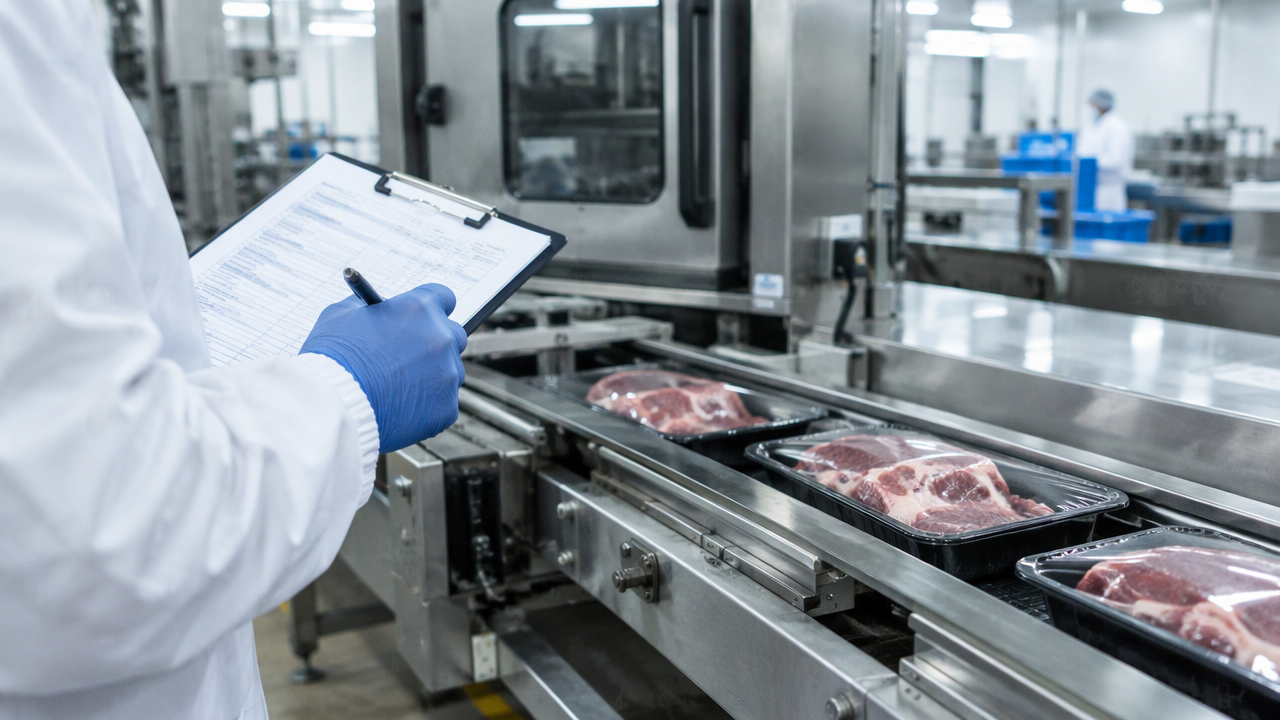
Connecticut Crab Company LLC, a seafood processor in Fairfield, Connecticut, has recalled 39 boxes of custom-made crab cakes, roughly 175 pounds, that were sold to food service customers in New Jersey and New York, after the product may have been temperature abused in a way that could allow growth of Clostridium botulinum, the bacterium that causes botulism. The U.S. Food and Drug Administration classified the firm-initiated recall as Class II on March 25, 2026, under recall number H-0656-2026, and the agency lists the status as closed. The FDA notice does not mention any confirmed illnesses.
What was recalled, and how the product is identified
These are not supermarket packages. According to the FDA notice, the crab cakes were sold to food service, meaning restaurants, caterers, delis and other operators who plate or resell them, rather than to consumers directly off a retail shelf. The cakes are custom made and range from half an ounce to five ounces each. They were shipped in shrimp boxes that generally weigh between four and five pounds, and a single box holds anywhere from 20 up to 135 crab cakes depending on the size of the cake.
The identifying detail that matters most in this recall is the production date. The notice says the affected product was made on March 9, 11, 13, 16 and 18 in 2026, five separate production days spread across ten days in March. Distribution was limited to New York and New Jersey. The volume, 39 boxes or about 175 pounds, is small by the standards of most recalls, but a 175-pound lot of food-service crab cakes is not a trivial number of servings when a single box can carry well over a hundred pieces.
One honest limitation of the public record: the notice does not list a printed lot code or a use-by date beyond those production dates. A restaurant or distributor holding these boxes has to reconcile its invoices and receiving records against the production dates to know whether its stock is affected.
Why botulism is the hazard worth taking seriously
Clostridium botulinum is a spore-forming bacterium that thrives where oxygen is scarce. Its spores are widely present in the environment and survive ordinary cooking temperatures, which is why the danger in a product like this is not necessarily a contaminated ingredient at the start of the line but what happens to a cooked product afterward. The FDA notice states plainly that the crab cakes may be temperature abused, which may result in growth of Clostridium botulinum. In practical terms, that describes a cold-chain failure: cooked crab cakes held too warm for too long, allowing surviving spores to germinate and produce toxin in the low-oxygen environment of a tightly packed box.
Botulism is a medical emergency, not a stomachache. Early signs commonly include double or blurred vision, drooping eyelids, slurred speech, dry mouth and difficulty swallowing, followed by muscle weakness that can progress downward and interfere with breathing. Anyone experiencing those symptoms after eating suspect seafood should seek emergency care immediately and tell clinicians what was eaten. The toxin itself is destroyed by thorough heating, but uneven reheating of a refrigerated or thawed crab cake is not a reliable safeguard, and no one should treat cooking as a way to salvage a product under recall.
The Class II designation deserves a careful reading. The FDA sorts recalls into three tiers, and Class II is the middle one: the agency judged that the probability of serious adverse health consequences was remote, though the product may cause temporary or medically reversible harm. The notice describes the risk level as low. That is a statement about probability, not about severity. Botulism is severe. A low probability of a catastrophic outcome is still a reason to take the recall seriously.
How the problem was found, and what it says about the system
The record is direct about what happened and silent about how it was discovered. It states that the firm initiated the recall voluntarily, that the product may have been temperature abused and that the concern was clostridial growth. It does not say whether the problem surfaced through a temperature log, a distributor complaint, an internal audit or a regulatory inspection, and this desk will not guess. What can be said is that the phrase may have been temperature abused is the language of a precautionary recall, one triggered by evidence that conditions went out of specification rather than by a confirmed illness or a laboratory finding in the finished product.
That distinction matters for consumers trying to calibrate risk. A recall like this is a record of a control failure, not proof that toxin formed in every box. But cold-chain failures are also nearly invisible. Botulism does not announce itself with a sour smell or visible spoilage the way ordinary food poisoning often does, which is precisely why the trigger here was a temperature record rather than a cook in a restaurant kitchen noticing something wrong.
There is a traceability point consumers may not expect. Because these are FDA-regulated seafood products, there is no USDA mark of inspection to look for, and the establishment-number advice that applies to meat and poultry does not translate here. Identification runs through the distributor's invoice, the receiving record and the production date. For a small processor moving product through food service, that paper trail is the only traceability consumers ultimately have.
What food service operators and consumers should do now
For operators in New York and New Jersey, the action is inventory. Check walk-ins and freezers for shrimp boxes of custom crab cakes and match production against March 9, 11, 13, 16 and 18, 2026. Affected product should be segregated, held out of service, clearly marked as do not use, and the supplier should be contacted for disposition instructions. Serving it is not an option, and neither is repackaging it into another format where the production date is lost.
For consumers, the practical situation is different, because this was never a retail recall. The consumer-facing action is to ask. Anyone who bought crab cakes from a restaurant, caterer or deli in either state and is unsure of the source can simply ask the establishment whether its product came from Connecticut Crab Company. Takeout containers rarely carry enough information to judge. If the answer is not available and the product is still on hand, discarding it is the prudent call, and no one should taste a suspect crab cake to test it. Federal guidance for safe handling at home is unchanged: keep refrigerated seafood at 40 F or below, cook crab cakes to an internal temperature of 165 F, and refrigerate or freeze leftovers within two hours. General meat, poultry and egg questions can go to the USDA Meat and Poultry Hotline at 1-888-674-6854; complaints about FDA-regulated seafood go through the FDA consumer complaint process.
- Do not eat the recalled crab cakes, and do not taste one to check whether it is spoiled.
- Restaurants and distributors: pull any boxes produced March 9, 11, 13, 16 or 18, 2026, and segregate them.
- Check receiving records and invoices, since the public notice does not list a separate printed lot code.
- Discard suspect product in a sealed package, or follow supplier instructions for return or destruction.
- Seek emergency care for double vision, drooping eyelids, slurred speech or difficulty swallowing after eating suspect seafood.
- Clean hands, utensils and surfaces that touched the product with hot soapy water.
- Keep refrigerated seafood at 40 F or below and cook crab cakes to 165 F.
The broader watchdog takeaway
A 175-pound recall that closed without a reported illness will not make headlines, and in one sense that is the point: this is what a functioning food-safety system looks like when a control breaks and a firm pulls product before anyone is hurt. The lesson worth carrying away is about the hazard class. Temperature abuse is a quiet trigger, it produces no visible warning in the package, and its worst outcome is rare but devastating. When the FDA grades such a recall Class II and describes the risk as low, consumers should read that as a measure of odds rather than a license to relax. The most reliable protection available to a shopper in a case like this is a simple question put to the business that sold the food, and a clear answer about where it came from and how cold it stayed.
For the full product list, distribution details and recall number, see our full recall details and product list, the official FDA notice, and our guide to handling recalled meat.