Campo Rico Foods Recalls Kanni Delight Shrimp After Nitrofurans Detected
A Class III action covering 11 cases of farm-raised Indian shrimp in Louisiana shows how a banned veterinary drug can surface in the U.S. supply chain, and how little the record explains about the finding.
By Dustin Reed Terry, Founder & Editor · Published
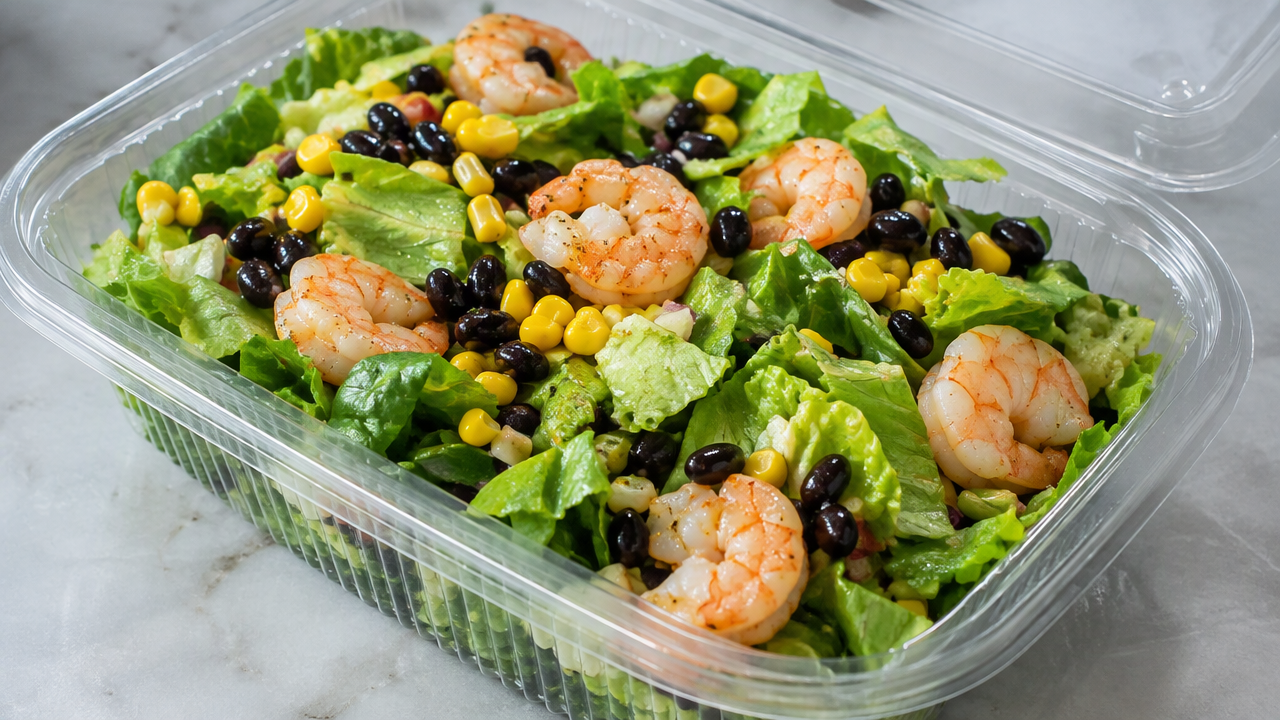
A Metairie, Louisiana, seafood distributor has recalled 11 cases of frozen, farm-raised shrimp from India after laboratory testing detected nitrofurans, a family of antibacterial drugs the United States does not permit in food-producing animals, according to the U.S. Food and Drug Administration.
Campo Rico Foods LLC initiated the voluntary recall on June 18, 2026, the FDA enforcement record shows. The product is Kanni Delight 31/40 Fresh Frozen Vannamei White Shrimp IQF, raw, peeled and deveined, tail off, packed in 5-pound polyethylene bags with six bags to a case, sold for food service only. Distribution was limited to Louisiana. The FDA classified the action as Class III, assigned it recall number H-1236-2026, and lists its status as closed. The record does not report any illnesses or injuries.
In a system that inspects a sliver of the roughly billions of pounds of seafood that enters the United States each year, this is a small recall by any measure. It is also, on close reading, a compact case study in how the food-safety net actually works: where a hazard gets caught, what the catch depends on, and what the public is never told about the sample that started it.
What was recalled, and the codes that identify it
The recalled product is a food-service item, not a consumer package. Each unit is a 5-pound gross weight polyethylene bag of individually quick frozen, raw, peeled and deveined, tail-off Vannamei white shrimp, six bags to a case. The labeling identifies the shrimp as a Product of India, farm raised, and for food service only. According to the FDA notice, the company distributed 11 cases in Louisiana.
The identifying codes are unusually granular for a recall of this size, and they matter for anyone trying to trace the product. The record lists Batch 6D08 with Code 6A14; Farm Registration Number TN000643/006 with Code 6A21; Farm Registration Numbers TN000643/006 and TN000643/007 with Code 6A25; and Farm Registration Number TN000603/002. The best-by or expiration date is April 7, 2028, and the notice carries Approval No. 941. Any restaurant, distributor or institutional buyer holding frozen shrimp inventory should compare those batch, code and farm registration entries against case markings rather than relying on the brand name alone.
Why a banned veterinary drug in shrimp matters
Nitrofurans are synthetic antibacterials that have been used in aquaculture abroad to treat and prevent bacterial disease in densely stocked ponds. The FDA has not permitted nitrofuran drugs in food-producing animals for decades, because the drugs and their marker metabolites can persist in edible tissue and have been associated with carcinogenic and genotoxic concern in laboratory study. Regulators therefore test for metabolite markers rather than the parent drug, since the parent compound clears while the bound residues remain.
That scientific detail explains why this recall was triggered by a laboratory result rather than an illness report. A nitrofuran residue cannot be seen, smelled or tasted. Shrimp carrying it looks like any other shrimp: firm, cold, properly frozen. No consumer could identify the problem in a kitchen, and no restaurant could identify it in a walk-in freezer. The only way this hazard becomes visible is a sample sent to a laboratory with the right test method.
It also explains the classification. Under FDA definitions, a Class III recall is one in which use of, or exposure to, a violative product is not likely to cause adverse health consequences, and the record labels the risk level as marginal. That is a judgment about the probability of harm from a specific exposure, not a finding that the product is wholesome. A banned drug residue in food remains a violation whether or not anyone gets sick.
How the problem was found, and what the record does not say
The official record gives the finding in six words: nitrofurans detected in product. It does not say who did the detecting. The notice does not identify whether the result came from an FDA surveillance sample, a state inspection, a buyer's own laboratory screening, or testing by the firm itself. It does not say what quantity was found, what method was used, or which metabolite was measured. For a recall record, that is not unusual. For a consumer trying to understand the reliability of the system, it is a real gap.
What the record does show is that the traceability chain existed and was used. The notice carries farm registration numbers tied to specific production sites in India, alongside batch and code identifiers. In other words, once the laboratory result landed, the product could be traced back to named farms. That is the strong part of the story. The weak part is everything upstream of the result: the drug was used in the first place, in a supply chain exporting to a market that prohibits it.
The federal posture toward this hazard is largely built on screening and deterrence. The FDA maintains import alerts that allow it to detain aquacultured seafood from shippers with a history of nitrofuran findings without physical examination, and it samples incoming shipments against a residue testing plan. Those tools work when the sample is drawn. They do not reach the pond.
The gaps a small recall exposes
Eleven cases is a slice, not a total. The recall covers the product Campo Rico Foods distributed in Louisiana. The record does not describe the size of the production lot, the volume shipped elsewhere, or what became of other product bearing the same farm registration numbers. A recall notice documents what a firm called back, not the full footprint of a supply chain.
The endpoint is a border or a loading dock, not a farm. Nitrofuran control in imported shrimp depends on testing after the shrimp has been harvested, processed, frozen and shipped. By the time a laboratory result exists, the production decision that created the residue is months in the past and thousands of miles away.
Food-service-only status removes the consumer's only tool. For a retail recall, a shopper can read a label and check a code. This product carries no label a diner will ever see. Consumers cannot self-check, and the record does not identify which establishments received the 11 cases.
A 2028 best-by date outlasts the recall. Frozen shrimp held at zero degrees Fahrenheit can stay in commerce for years. The record lists this recall as closed, which describes the completion of the firm's recall activities, not a guarantee that every case has been located and removed from every freezer.
What consumers and food-service buyers should do now
Because this is a food-service product, the practical advice runs through the businesses that buy it. Restaurants, caterers and institutional kitchens should pull case markings for Kanni Delight 31/40 IQF shrimp and compare them to the batch, code and farm registration entries in the notice. Distributors should confirm with Campo Rico Foods LLC directly. Diners who want to know what they are being served can ask a restaurant where its shrimp is sourced and whether it has checked against active recalls.
On the cooking side, one caution is worth stating plainly. Thorough cooking is the correct defense against bacteria, and shrimp should be cooked to an internal temperature of 145 degrees Fahrenheit, until the flesh is opaque and firm. But this recall concerns a chemical residue, not a microbe, and cooking is not a remedy for a chemical contaminant. The defense that matters here is keeping the product out of the kitchen.
Consumers with questions about seafood safety can reach the FDA's food safety information line at 1-888-SAFEFOOD (1-888-723-3366). For meat and poultry questions, the USDA Meat and Poultry Hotline is 1-888-674-6854.
A consumer checklist
- Check case markings for Kanni Delight 31/40 Fresh Frozen Vannamei White Shrimp IQF, raw, peeled and deveined, tail off, 5-pound bags, six per case.
- Match against Batch 6D08 / Code 6A14; Farm Registration Number TN000643/006 / Code 6A21; Farm Registration Numbers TN000643/006 and TN000643/007 / Code 6A25; Farm Registration Number TN000603/002.
- Check the best-by date: April 7, 2028, and Approval No. 941.
- Confirm the product is marked Product of India, farm raised, for food service only.
- If you hold matching inventory, segregate it and contact the supplier or the FDA.
- Remember that appearance, smell and cooking temperature cannot identify a nitrofuran residue.
- Ask food-service operators whether they have screened inventory against active FDA seafood recalls.
The watchdog takeaway
The system did what it is designed to do here: a laboratory found a prohibited drug residue, a firm recalled the product, and the FDA published the record. The episode also shows the shape of that system's limits. Detection is the last line of defense, not the first, and it depends on a sample being drawn from a shipment that could just as easily have gone unsampled. Eleven cases recalled in one state is a successful catch. It is not evidence that the pond, the processor or the export chain has changed.
The record's silences are instructive too. No stated origin of the finding. No stated quantity of residue. No stated list of receiving establishments. No stated disposition of product from the same farms. Those omissions are ordinary in enforcement records, and they are precisely why independent food-safety reporting matters: the notice tells consumers what was recalled, not how close the miss was.
For the full product list and identifiers in this action, see the full recall details and product list. The agency's own entry is available in the official FDA notice.