Boichik Bagels Recalls Whitefish and Tuna Salads Over Undeclared Egg
Two Boichik Bagels deli salads sold in California carry sell-by dates through June 4, but their labels leave egg off the 'contains' line even though mayonnaise puts it in the bowl.
By Dustin Reed Terry, Founder & Editor · Published
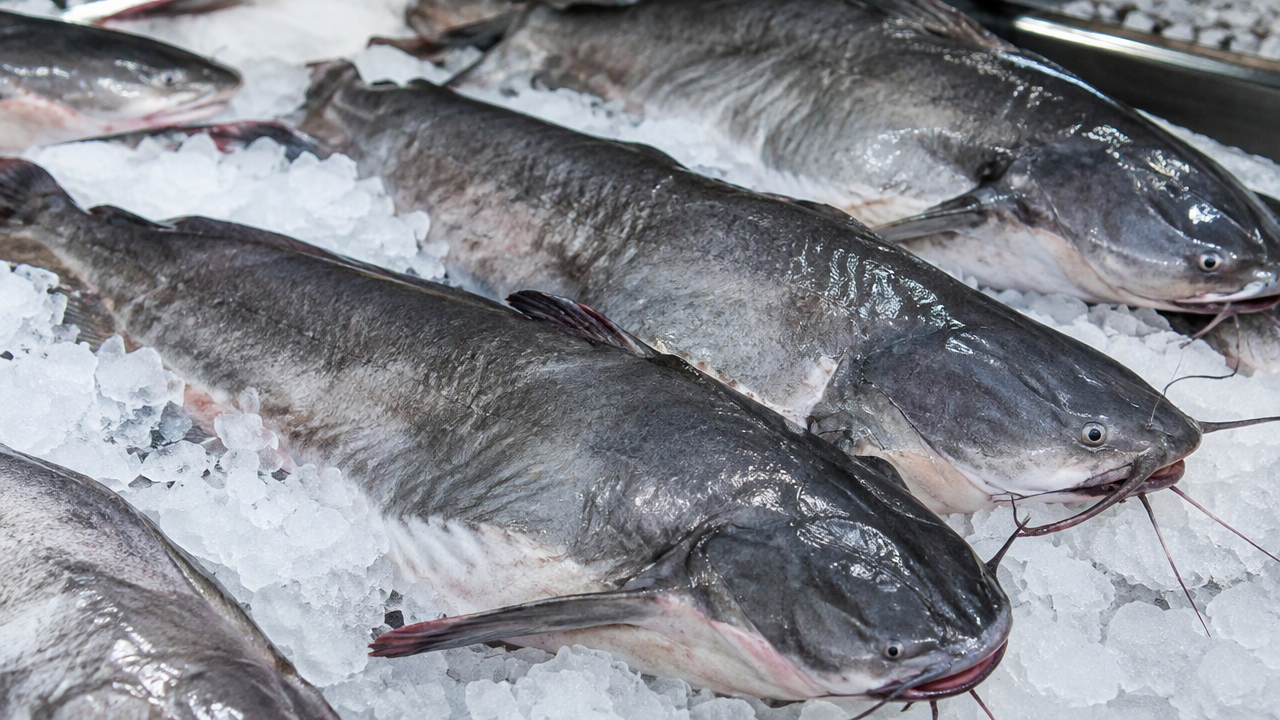
Boichik Bagels, Inc. of Berkeley, California, initiated a voluntary recall on May 22, 2026, of two of its refrigerated deli salads — boichik bagels Whitefish Salad and the product FDA lists as boichik bagles Tuna Salad — because the labels declare eggs in the ingredient statement but omit eggs from the required "contains" allergen statement, according to the U.S. Food and Drug Administration. The agency classified the action as Class II and assigned it recall number H-1131-2026. The recall covers 167 containers of whitefish salad and 164 containers of tuna salad distributed in California, and the affected product carries sell-by dates running from May 22 through June 4, 2026. FDA's public record does not report any illnesses associated with the products.
What was recalled, and how to recognize it in your kitchen
Both items are seafood salads sold in containers and identified in the FDA record by their printed label names: boichik bagels Whitefish Salad and boichik bagles Tuna Salad. The agency's listing reproduces the ingredient statements as they appear on the labels. For the whitefish salad: smoked whitefish, mayonnaise (soybean oil, water, whole eggs and egg yolks, distilled vinegar, salt, sugar, lemon juice concentrate, calcium disodium edta, natural flavors), pickle juice, mustard, chives, black pepper. For the tuna salad, albacore tuna replaces the smoked whitefish and the remainder of the statement is the same.
Each label carries a "Contains: Fish" line. What the labels do not do is carry egg onto that line — even though the mayonnaise, spelled out parenthetically in the same ingredient statement, is made with whole eggs and egg yolks. That single omission is the reason the recall exists.
The identifier consumers can actually use at home is the sell-by date. According to the FDA record, affected containers are marked with sell-by dates of May 22, 23, 24, 25, 27, 28, 29, 30 and 31, 2026, and June 1, 2, 3 and 4, 2026. The published list jumps from May 25 to May 27 without listing May 26. Households should not read that gap as a safe date; the surrounding dates are all covered, and any container of either salad stamped within this window should be treated as part of the recall.
Because these are FDA-regulated foods rather than meat or poultry, there is no USDA mark of inspection and no establishment number to look for on the package. The sell-by date and the product name are the identifying details here.
Why an omitted egg on the "contains" line matters
Egg is one of the major food allergens recognized under federal labeling law, alongside milk, fish, crustacean shellfish, tree nuts, peanuts, wheat, soybeans and sesame. The standardized "Contains" statement exists precisely because it is supposed to be readable at a glance — a shopper scanning a label in a case or a cooler should not have to parse a parenthetical list inside an ingredient to learn whether a allergen is present.
A person with an egg allergy who read this label would have seen fish named and nothing else. Allergic reactions to egg can range from hives and digestive distress to swelling of the throat and anaphylaxis, and the standard advice for anyone with a diagnosed egg allergy is strict avoidance rather than careful picking. That is why an undeclared allergen is treated as a labeling failure even when no one has been hurt.
FDA's Class II designation reflects the agency's judgment that the probability of serious adverse health consequences is remote, but not zero. Class II is the middle tier of the agency's three-level scale; Class I is reserved for products likely to cause serious harm or death, and Class III for violations unlikely to cause harm at all. The record lists the recall status as active.
How the problem surfaced — and what the record does not say
The official notice attributes the recall to the labeling discrepancy itself: the ingredient statement declares eggs, but eggs are omitted from the "contains" allergen statement. The record does not describe how that discrepancy was identified, whether through a company label review, an FDA inspection or a consumer complaint, and this desk will not speculate about a mechanism the agency has not documented.
What the record does show is a familiar failure mode in packaged foods that are built from components. Mayonnaise is ordinarily treated as a single line item in a recipe, and its eggs are a sub-ingredient. When an allergen statement is assembled from the top-level recipe rather than from the components that feed into it, an allergen can disappear between the ingredient list and the "contains" line. The two must agree, and here they did not. The fish itself was correctly flagged, which suggests the label work was done incompletely rather than not at all.
Two other details in the record are worth noting for accuracy's sake. The tuna salad is listed under the spelling "bagles" rather than "bagels," so consumers searching FDA's database should try both. And the quantities involved — 167 containers of whitefish salad and 164 of tuna salad — are small for a commercial recall, which is consistent with a limited production run rather than a nationwide distribution.
What to check in the refrigerator and freezer right now
Start with the deli drawer and the top shelf, where prepared salads usually land. Read the label on the lid or the side panel and look for two things: the product name and the sell-by date. Do not rely on the brand impression or the shape of the container.
If a container of either salad was frozen — which some households do to stretch a purchase — the sell-by date is still the identifier, though freezing can blur or lift printing on a lid. A container that has been in the freezer for weeks or months still falls under this recall if it carries one of the listed dates; the hazard is a labeling error, not spoilage, so the age of the food has no bearing on whether it is affected.
Do not taste the salad to judge whether anything is wrong. An undeclared allergen cannot be detected by smell, sight or palate, and a small exposure can trigger a reaction in a sensitized person. If anyone in the household has a diagnosed egg allergy, treat the container as unsafe and keep it closed and away from other food. Otherwise, discard the product or return it to the place of purchase, and wash any surface, utensil or shelf that came into contact with the container.
Distribution was confined to California, so most households outside the state are unlikely to have these containers at home. Salads do travel, however — to offices, picnics and second refrigerators — so Californians who bought either salad recently should check, and so should anyone who received one.
The watchdog takeaway
Nothing in this record suggests a household is in imminent danger, and no illnesses are reported. The value of tracking a case like this is the reminder it offers about how allergen labeling fails. The ingredient list and the "contains" line are two separate pieces of label work performed by two separate steps in a production process, and when a sub-ingredient like the eggs in mayonnaise is not carried forward, the consumer never sees the warning that federal law intended them to see. A five-second check of the lid, using the sell-by date and the product name, is enough to settle the question for any container in your kitchen.
- Check the deli drawer, the top shelf and the freezer for boichik bagels Whitefish Salad and boichik bagles Tuna Salad.
- Read the sell-by date and look for May 22 through June 4, 2026 — including a container stamped May 26, which the agency's list omits.
- Do not open or taste a suspect container if anyone in the household has an egg allergy.
- Discard the product or return it to the store where it was purchased.
- Wash hands, utensils and shelves that touched a recalled container.
- Report any reaction to a health care provider and to FDA's food safety hotline, 1-888-SAFEFOOD (1-888-723-3366).
- Keep the container or a photo of the label until you have confirmed the date against the official notice.
Consumers can review the full recall details and product list for this action, read the official FDA notice, and consult our guide to handling recalled meat for the kitchen cleanup steps that apply to any recalled protein or prepared food.