Ajinomoto Expands Glass Recall to 37 Million Pounds of Fried Rice, Ramen and Shu Mai
A Class I recall now covers frozen chicken and pork fried rice, ramen and dumplings sold under Ajinomoto, Kroger, Ling Ling, Tai Pei and Trader Joe's brands nationwide after glass was traced to a carrot ingredient.
By Dustin Reed Terry, Founder & Editor · Published
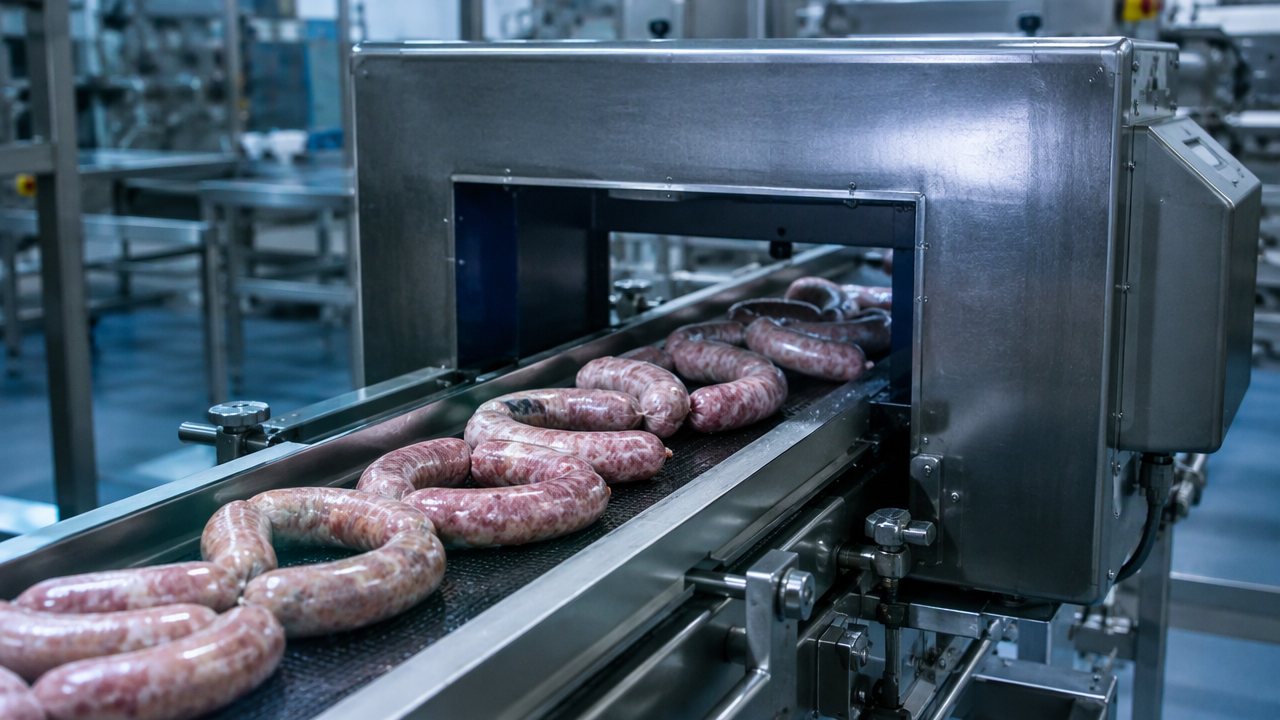
Households with young children, older adults and anyone who wears dentures or has had dental or gastrointestinal surgery have a particular reason to open the freezer this week. Ajinomoto Foods North America, Inc., a Portland, Ore., establishment, has expanded its February recall of frozen chicken products that may be contaminated with glass to include 33,617,045 additional pounds of chicken and pork fried rice, ramen and shu mai dumplings sold under five brand names, according to the USDA Food Safety and Inspection Service. The expansion, announced March 3, 2026, brings the combined total subject to recall to 36,987,575 pounds, and FSIS classifies the action as Class I, its most serious designation, used when there is a reasonable probability that the food will cause serious adverse health consequences or death.
According to the agency, there have been no confirmed reports of injury from consuming these products. FSIS states that anyone concerned about an injury should contact a healthcare provider.
What was recalled, and how to identify it
The expansion covers 16 products produced between Oct. 21, 2024, and Feb. 26, 2026, sold under the Ajinomoto, Kroger, Ling Ling, Tai Pei and Trader Joe's brand names. The original Feb. 19, 2026, recall applied to frozen not ready-to-eat chicken products; the expanded action adds both ready-to-eat and not ready-to-eat chicken and pork fried rice, ramen and shu mai dumpling products, according to FSIS.
The products subject to recall bear establishment number P-18356, P-18356B or P-47971 inside the USDA mark of inspection. FSIS's recall record also lists Ajinomoto Toyo Frozen Noodle, Inc. in connection with the action. The items were shipped to retail locations nationwide, and certain Ajinomoto items were exported to Canada and Mexico.
One detail deserves more attention than it usually gets. On March 9, 2026, FSIS updated the notice to reflect that products bearing the listed lot numbers are subject to the recall regardless of the best-by date printed on the package. That matters in a household freezer, where a date that still looks current can be mistaken for evidence that the food is fine. For this recall, the date is not the test. The lot number is. Consumers should match the code on the package against the official product list rather than assuming a future date means the item is unaffected.
Why glass is a hazard that hits some families harder
Most recall hazards are biological. This one is physical, and physical hazards behave differently in the kitchen. Freezing does not make glass safer, and no cooking temperature destroys it. A fragment that survives the manufacturing line will survive a microwave, a skillet or a pot of boiling water, and it will not announce itself on the plate. That is why FSIS treats foreign-material contamination involving glass as a Class I event.
For most healthy adults, a small fragment may pass, cause discomfort or cause a minor cut. For others the margin is narrower. Children may swallow without noticing a hard piece mixed into rice or a dumpling filling, and their smaller anatomy means a fragment has less room to pass safely. Older adults may have reduced sensation in the mouth or difficulty chewing thoroughly. People with dentures, bridges, implants, braces or a history of dental work face a higher risk of damage if they bite down on glass. People with swallowing disorders or prior gastrointestinal surgery have a lower tolerance for a sharp object moving through the digestive tract. Frozen fried rice and dumplings are also exactly the kind of food families keep on hand for fast weeknight meals and for children eating quickly, which is not a reason to panic, but it is a reason to check the package before it goes in the microwave.
How the problem was found, and what it says about the system
The problem was discovered when the establishment notified FSIS that it had received multiple consumer complaints involving glass found in product. Upon further investigation, the establishment determined that a vegetable source ingredient, specifically carrots, was the likely source of the glass contamination, which also affected the additional products covered by the expansion.
That sequence is worth pausing on. The recall began with consumers finding glass in food, not with a detection system stopping it at the plant. And a single agricultural ingredient can travel a long way: one contaminated input moved through multiple finished products, multiple brand labels and more than 16 months of production before the full footprint was understood. Store brands are part of that footprint. A shopper who buys a Kroger or Trader Joe's version of a frozen rice dish is relying on the same supply chain as a shopper who buys the national brand, which is why the brand name on the box is a poor guide to whether a product is affected.
FSIS states that it routinely conducts recall effectiveness checks to verify that recalling firms notify their customers and that steps are taken to make certain the product is no longer available. It also notes that retail distribution lists will be posted on its website when available. The recall file is now listed as closed in agency records, but FSIS's own notice warns that some product may be in retailers' or consumers' freezers. A closed file is not a guarantee that the food is gone from your kitchen.
What families should do now
Do not eat the recalled products, and do not serve them to children or to older relatives while you sort out what you have. FSIS directs consumers who purchased these products to throw them away or return them to the place of purchase.
Check the package against the official lot numbers, not against the best-by date. If a package in your freezer matches a listed lot, discard it or return it. If you cannot tell, or if the packaging is damaged or the code is unreadable, err toward discarding, particularly if the food was intended for a child, a person with dental work or an older adult.
Consumers with questions about the recall can contact Consumer Affairs at Ajinomoto Foods North America at (855) 742-5011 or [email protected]. Food-safety questions can go to the toll-free USDA Meat and Poultry Hotline at 888-674-6854 or [email protected]. Consumers who need to report a problem with a meat, poultry or egg product can use FSIS's Electronic Consumer Complaint Monitoring System, available 24 hours a day at https://foodcomplaint.fsis.usda.gov/eCCF/. Complaints are not bureaucracy; this recall exists because consumers spoke up.
Consumer checklist
- Read the lot code, not the date. Products with the listed lot numbers are covered regardless of best-by date, per the March 9 update.
- Check all five brands: Ajinomoto, Kroger, Ling Ling, Tai Pei and Trader Joe's.
- Look for P-18356, P-18356B or P-47971 inside the USDA mark of inspection.
- Search the whole freezer, including the bottom shelf and any second freezer, where older packages tend to end up.
- Throw it away or return it. Do not taste-test to check for glass.
- Do not donate or re-gift recalled product.
- If someone has eaten it and you are concerned about injury, contact a healthcare provider, as the FSIS notice advises.
The watchdog takeaway
Thirty-seven million pounds is not a niche recall. It is a reminder that the frozen aisle is a supply chain before it is a convenience, and that the ingredient at the center of this one, carrots, is about as ordinary as food gets. Families protecting vulnerable members do not need to become food-safety experts. They need to do two things consistently: match lot codes against official lists instead of trusting a printed date, and take physical hazards as seriously as bacterial ones. Glass in a frozen dinner is not a stomachache risk that passes in a day; it is a sharp object, and for a small child or a frail older adult that difference matters.
Consumers can review the full recall details and product list and the official USDA FSIS notice before serving any of these products.