Adams Extract & Spice Recalls Smoked Sausage Spice, Chicken Over Sesame
The Gonzales, Texas, supplier recalled a smoked sausage spice blend and a chicken product distributed in Texas after sesame was found undeclared, triggering the FDA’s most serious classification.
By Dustin Reed Terry, Founder & Editor · Published
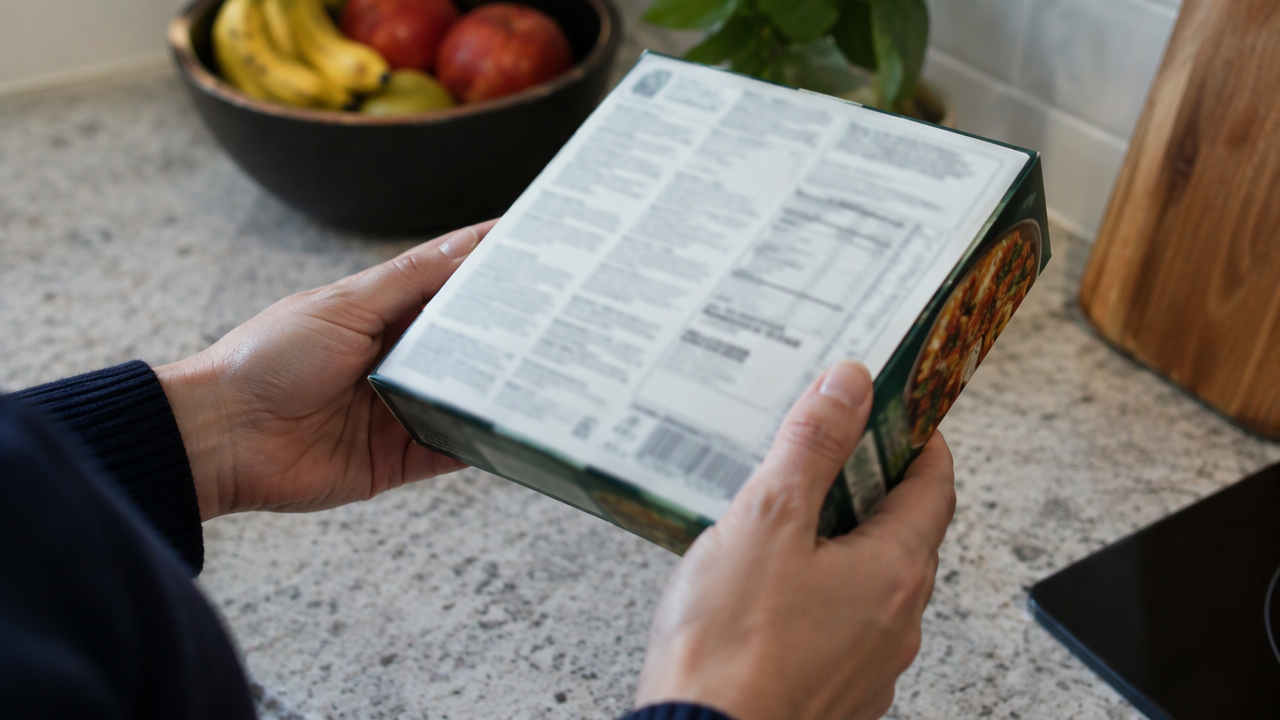
Adams Extract & Spice LLC of Gonzales, Texas, initiated a voluntary recall on June 12, 2026, of Smoked Sausage Spice 32.86# and JB Chicken Sknls 35.73# because sesame was undeclared, according to the U.S. Food and Drug Administration. The agency classified the action as Class I, its most serious recall category, reserved for products with a reasonable probability of causing serious adverse health consequences or death. The recall, number H-1138-2026, covers products distributed in Texas. The FDA record lists no confirmed illnesses or allergic reactions.
What was recalled and how to identify it
The recall covers two products: Smoked Sausage Spice 32.86# and JB Chicken Sknls 35.73#, according to the FDA record. The agency lists the product type as chicken and the hazard as an undeclared sesame allergen. Distribution was limited to Texas, and the record lists quantities as 120 units and 20 units without assigning either count to a specific product. It does not describe retail packaging, and it does not say whether the units moved through retail stores, foodservice operators or further processing.
That gap matters for families, because a spice blend sold in bulk and a seasoned chicken product reach consumers in very different ways. Consumers should check the lot code and the date of manufacture on the package or case rather than relying on the product name alone. The FDA record lists these lot codes and manufacture dates:
- Lot 26J000059877-01, manufactured 04/27/2026
- Lot 26J000059877-02, manufactured 04/28/2026
- Lot 26J000059878-01, manufactured 04/27/2026
A package with no legible lot code should be treated cautiously. Keep the package or photograph the label so the code can be compared with the official notice, and contact the retailer where the item was purchased before using it.
Why an undeclared sesame allergen is a serious hazard
Sesame is one of the major food allergens recognized under federal law and must be declared on food labels. For a person with a sesame allergy, exposure can produce hives, itching, stomach upset, vomiting, swelling of the lips or throat, wheezing and difficulty breathing. Anaphylaxis, a severe reaction that can be life-threatening, is the reason allergen errors draw heightened scrutiny. The FDA’s Class I designation reflects that potential rather than any reported outcome; the record documents no illnesses.
The most vulnerable consumers are specific people, not an abstraction. They include children with food allergies who depend entirely on adults to read labels and ask questions at the counter. They include teenagers and adults who manage their own allergy but may not recognize a bulk foodservice product or a repackaged spice blend. They include people with asthma or a history of severe reactions, who are often advised by their physicians to be especially careful about cross-contact and labeling. And they include older adults and caregivers who shop for a household and may keep one blended spice on hand for months without rechecking the label.
How the recall surfaced and what the record leaves out
The FDA record describes the action as firm initiated, meaning Adams Extract & Spice began the recall itself rather than at the agency’s direction. The record does not state how the undeclared sesame was detected, which is a significant omission for anyone trying to judge how well the system is working.
Federal allergen recalls commonly surface through a company’s own label review, a supplier audit, a customer complaint or an inspection finding, though the record here does not specify which path applied. The classification date and the recall initiation date are the same in the record, so there is no public timeline showing how long the product was in distribution before the problem was identified. What the record does show is a finished outcome: a Class I classification and a status of closed. For consumers, that means the agency regarded the risk as serious enough to warrant its highest tier. For watchdogs, it means the public accounting here is thin, and families should not wait for a fuller narrative before checking their own kitchens.
What families should do now
Anyone in a household with a sesame allergy should treat this recall as a labeling failure, not a flavor issue. Check spice blends and seasoned chicken products in the pantry and freezer against the lot codes above. If a product matches, do not taste it to test for safety, and do not assume cooking will resolve the concern; allergen proteins are not reliably eliminated by normal cooking. Do not donate a recalled product to a food pantry. Throw it away in a sealed bag, or return it to the retailer for information about the recall.
For general kitchen safety, the USDA Food Safety and Inspection Service recommends cooking poultry to a safe minimum internal temperature of 165 F as measured with a food thermometer, and ground beef to 160 F. Those temperatures address bacterial hazards and do not remove allergens. Consumers with questions about a specific product can call the USDA Meat and Poultry Hotline at 1-888-674-6854. Families managing food allergies should also review how they read labels together, since the person most at risk is often the one least likely to be doing the shopping.
A consumer checklist
- Locate Smoked Sausage Spice 32.86# and JB Chicken Sknls 35.73# in your pantry, refrigerator or freezer.
- Match the lot code and manufacture date against 26J000059877-01, 26J000059877-02 and 26J000059878-01.
- Discard matched products in a sealed bag or return them to the retailer; do not donate them.
- Do not rely on smell, taste or cooking to determine whether a product is safe for someone with a sesame allergy.
- Tell every adult in the household, including babysitters and grandparents, which products are affected.
- Keep a photo of the label and lot code if you plan to contact the store or the company.
The watchdog takeaway
Allergen recalls are among the most preventable food-safety events. A label is either complete or it is not, and a missing declaration turns an ordinary ingredient into a hidden risk for the households that check most carefully. This recall was classified Class I, distributed in Texas, and closed by the FDA. That closure does not mean the affected units vanished from shelves and freezers on the same day. Families with a sesame allergy should verify their own supply now, and grocers and foodservice operators in Texas should confirm whether any of the listed lots passed through their hands.
For the full picture, including the complete product list, see the full recall details and product list and the official FDA notice.